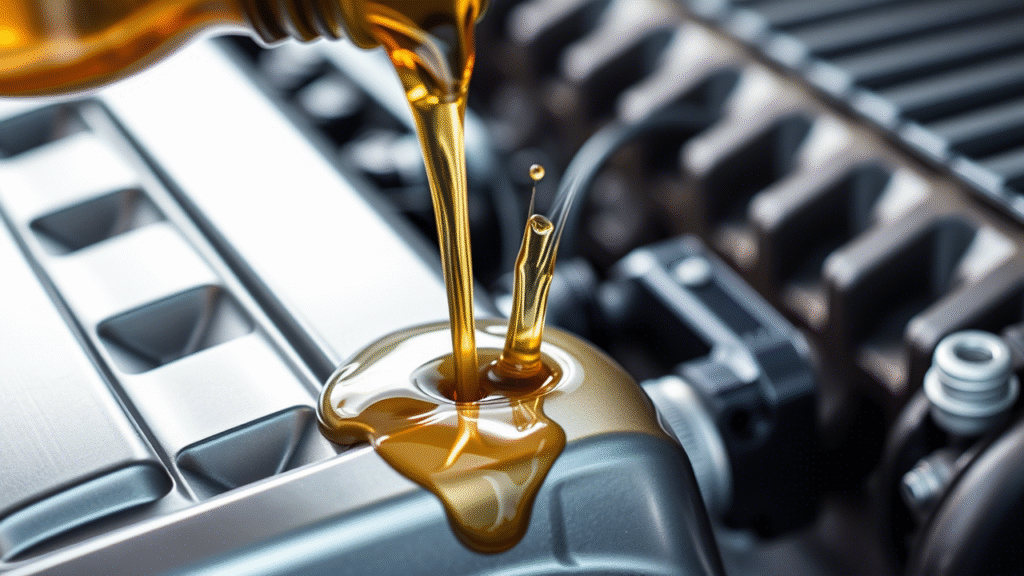

Every vehicle depends on more than just fuel and air to run. Deep inside the engine, a network of fluids works together to keep every moving part clean, cool, and protected. These fluids reduce friction, prevent rust, and help the engine perform at its best during every drive. Without them, even a well-built engine can overheat or wear out much sooner than expected.
Many car owners focus only on fuel or oil, but your vehicle’s health relies on several other liquids that play unique roles. When these are ignored, small issues can turn into costly engine problems. Regular checking and replacement of each fluid can save you from unexpected repairs and keep your engine strong for years.
In this complete guide, you’ll learn about all the key fluids that support your engine, how to inspect them safely, and the best time to change them. Understanding these simple basics helps you maintain your car like a pro keeping it reliable, efficient, and ready for every road ahead.
What Engine Maintenance Fluids Are and Why They Matter
Fluids inside your vehicle are not just “fill-ups” they perform vital jobs like cooling, lubricating, and protecting. When one of these fluids goes bad, your engine can overheat, parts can wear out faster, or even break. Top mechanics agree that staying on top of these tasks is one of the best ways to avoid expensive repairs.

Each system engine, transmission, brakes, and cooling relies on fluids to function well. If you overlook them, you sacrifice performance, fuel economy, and longevity. That’s why understanding these liquids is so important from day one.
Main Types of Engine-Related Fluids You Should Know
Here are the most common fluids that support your engine and related systems:
- Engine oil
- Coolant (or antifreeze)
- Transmission fluid
- Brake fluid
- Power steering fluid
- Windshield washer fluid (for visibility)
Many car-care guides list these same fluids as essential. Even if some appear unrelated to “just the engine,” they all affect overall vehicle operation and thus the engine’s well-bei
Quick Reference of Fluids, Their Roles and Interval Guidelines
Here is a detailed table that summarizes each fluid, what it does, typical change/check intervals, and warning signs.
| Fluid | Primary Role | Typical Check/Change Interval* | Key Warning Signs |
| Engine Oil | Lubricates moving parts, carries heat away | Check monthly; change every 5,000-10,000 miles (varies) | Dark/dirty oil, engine noise, oil light |
| Coolant / Antifreeze | Prevents overheating/freezing, stops rust | Check 2x/year; flush every 2-5 years or per manual | Overheating, cloudy fluid, leak |
| Transmission Fluid | Lubricates gears, transfers power | Check yearly; change 30,000-60,000 miles (varies) | Dirt-colored fluid, slipping gears |
| Brake Fluid | Transfers force from pedal to brakes | Check every oil change; change every 2 years or as needed | Spongy brake pedal, dark fluid |
| Power Steering Fluid | Allows easier steering via hydraulics | Check every oil change; change ~50,000-75,000 miles | Squealing while turning, low fluid level |
| Windshield Washer Fluid | Clears windshield for safe visibility | Refill as required | Poor visibility, fluid low in reservoir |
How to Check These Fluids Properly
Checking these liquids is simple once you know where to look and what to look for. Here’s how:

- Engine oil: Warm up the engine, turn it off, wait a few minutes, pull out the dipstick, wipe it, reinsert and pull again. The level should be between the minimum and maximum marks.
- Coolant: Only check when the engine is cold. Open the hood, find the translucent reservoir, and look at the level marks. Never open when hot.
- Transmission fluid: Some cars have a dipstick, others are sealed. If a dipstick exists, check the level and color (should be red or pink in many automatics).
- Brake fluid: Locate the brake fluid reservoir; level should be between the MIN and MAX lines. Dark colour means it might be time for service.
- Power steering fluid: Find the steering fluid reservoir, check level and observe for leaks or foaming.
- Windshield washer fluid: Open the washer fluid cap and visually confirm the fluid; top up if low.
Regular inspection helps spot issues early. Guides recommend doing this at least once a month or at every oil change.
How to Choose the Right Fluids for Your Engine
Choosing incorrect or low-quality liquids can harm your engine instead of helping it. Here’s what to keep in mind:
First, always read the owner’s manual. It lists the exact type, grade and specification for your vehicle. Using the wrong type is one of the fastest ways to cause damage.
Second, consider your driving conditions. For example, heavy towing, hot climates, or stop-and-go traffic may require more frequent changes or higher grade fluids.
Third, brand and specification matter. For instance:
- Engine oil: conventional vs synthetic vs blend
- Coolant: different chemistries (green, orange, yellow) cannot always be mixed without risk
- Brake fluid: different DOT ratings have different boiling points
When and Why You Should Change These Fluids
Changing your vehicle’s fluids isn’t about being overly cautious, it’s about keeping systems in tune and avoiding major breakdowns.
Over time, fluids degrade: they pick up moisture, dirt, fragments, heat damage, and chemical changes. For example, brake fluid absorbs moisture and its boiling point lowers making brakes less efficient.
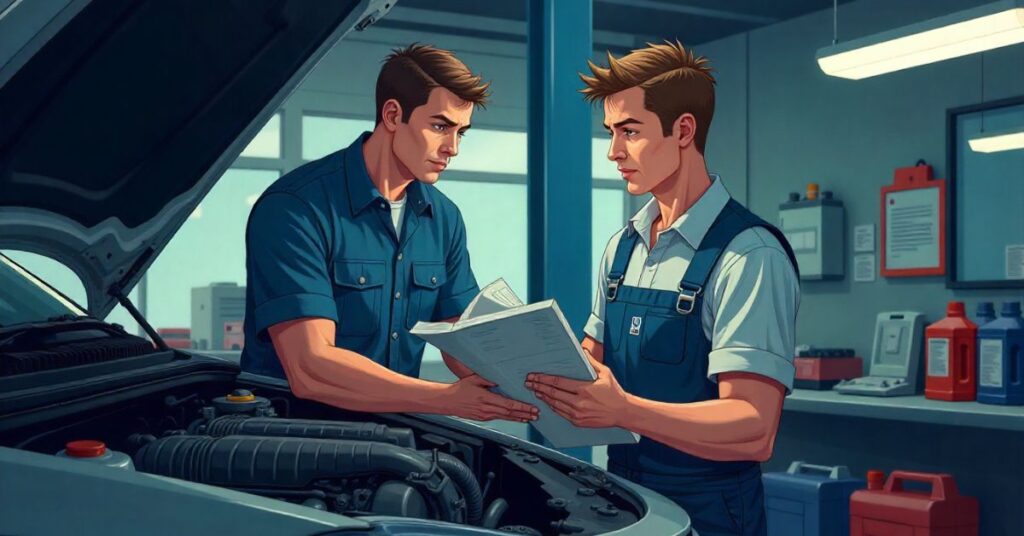
Failure to change fluids often causes wear, overheating, corrosion, or system failure. For example, not treating coolant can lead to rust inside the engine block, which is a costly repair.
Therefore, follow the schedule in your manual or the intervals shown above. If you use your car under “severe” conditions (towing, heavy loads, extreme heat), shorten the interval.
Common Mistakes and How to Avoid Them
Even well-intentioned car owners can fall into these traps. Here’s what to watch for:
- Mixing incompatible fluids: Using the wrong type (for example mixing coolant types or using generic brake fluid that doesn’t meet DOT spec) can lead to chemical reactions or poor performance.
- Topping up instead of replacing: Simply adding fluid may mask a leak or contamination problem. Sometimes a full flush is needed.
- Ignoring color or smell changes: If fluid color darkens, smells burnt, or you see metal bits in it don’t ignore it.
- Never checking when hot: Especially for coolant, opening the cap when hot is dangerous.
- Blindly following generics instead of your manual: Using a “one size fits all” may harm your specific vehicle.
By being aware and mindful, you can avoid most common errors and extend your engine’s life.
Signs That Your Engine or Systems Might Be In Trouble
Your vehicle often gives you clues before serious damage happens. Watch for:
- Low fluid levels despite refilling indicates a leak
- Strange noises: whining when steering (power steering fluid), gear slipping (transmission fluid), engine knocking (oil issue)
- Overheating or gauge moving into red zone possibly coolant issue
- Soft brake pedal or longer stopping distance brake fluid problem
- Leakage under the car puddles or stains under engine bay hint fluid escape
Understanding these warning signs helps you act early, saving money and avoiding breakdowns.
Tips for Long-Term Engine Health Through Fluid Care
Here are some practical tips everyone can follow:

- Check fluid levels at least once a month and more often if you drive a lot or in extreme conditions.
- Keep a log of when you last changed each fluid engine oil, coolant, transmission, etc.
- Using high-quality fluids that meet or exceed manufacturer specs cheaply is not always better in the long run.
- Inspect for leaks: look under the car, around reservoirs, hoses, and seals.
- Don’t postpone changes because “everything seems fine” many damage issues start quietly and grow worse.
- Consider having a professional inspection every year or every major service interval to catch issues you might miss.
By taking these steps consistently, you’ll improve reliability and reduce chances of surprise failures.
Conclusion
Your engine and vehicle systems rely on more than just fuel and air. The right liquids perform silent but essential jobs. With regular checks, correct replacements, and avoiding common errors, you’ll keep your car running smoothly, safely, and efficiently.
Treat this guide as your roadmap. Follow it, stay vigilant, and your engine will thank you for the care.
FAQs
1. What is a maintenance fluid in a car engine?
A maintenance fluid is any liquid that helps the engine stay clean, cool, and protected for smooth performance.
2. How often should I replace engine maintenance fluid?
You should replace each maintenance fluid according to your vehicle’s manual, usually every few months or by mileage limits.
3. Can I use the same maintenance fluid for all vehicles?
No, each vehicle needs a specific type of maintenance fluid that matches its design and manufacturer’s recommendation.
4. What happens if maintenance fluid levels drop too low?
Low levels of maintenance fluid can lead to overheating, friction, and serious engine wear or failure.
5. How can I check maintenance fluid at home?
You can open the hood, locate each reservoir, and check the fluid levels against the marked minimum and maximum lines.
Noah Theo is the World Best Article Writter. Top Ranked Articles, Informative Articles, Unique Content Articles. All Articles are Written by Noah Theo..