Introduction
Radiators play a big role in keeping your home warm, especially during colder months. However, if they’re not working efficiently, you might be wasting both heat and money. Improving radiator efficiency is simple and doesn’t always require professional help.
With a few easy steps, like regular cleaning, bleeding trapped air, or using reflective panels, you can make your heating system work better. These small actions help your home stay cozy while reducing energy bills and saving power.
In this guide, you’ll learn simple and practical ways to boost radiator efficiency. Whether you live in an apartment or a house, these tips will help you get the most warmth from your heating system.
Simple Ways to Improve Radiator Efficiency
Radiator efficiency means how well your radiator gives off heat to warm your room. When your radiator works properly, it uses less energy and keeps your home comfortable. Simple habits like cleaning your radiator, checking for blockages, and bleeding out trapped air can help it run more smoothly.
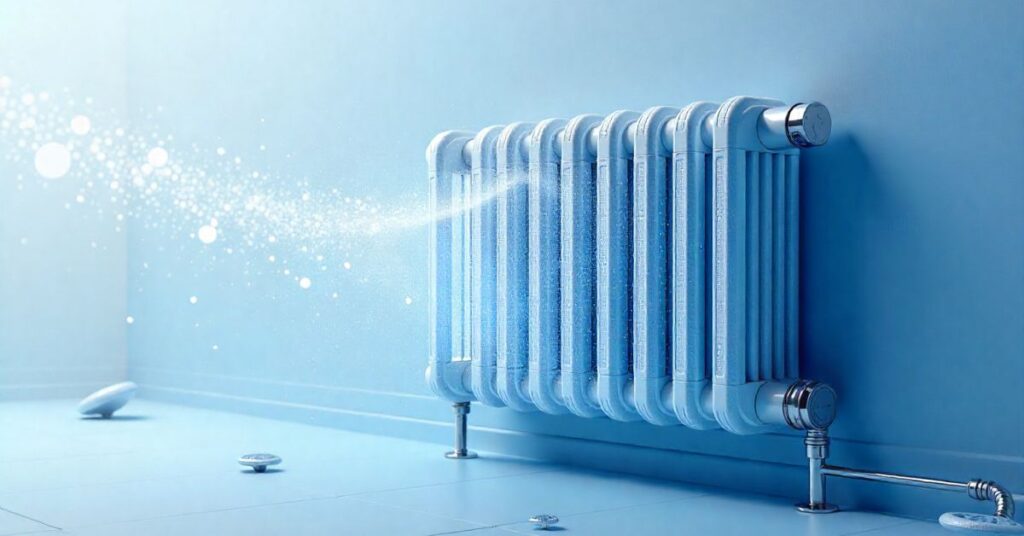
You don’t need to be an expert to make your radiator work better. Small actions such as moving furniture away, using radiator reflectors, and keeping the system maintained can make a big difference. These easy tips help you save energy, lower your heating bills, and enjoy a warm home all winter long.
Use a Premium Coolant/Antifreeze
A premium coolant or antifreeze helps keep your engine at the right temperature in all seasons. It prevents overheating in summer and stops the engine from freezing in winter. Using a high-quality coolant also protects engine parts from rust and corrosion.
Choosing a premium product means your car’s cooling system will last longer and perform better. It’s a small investment that keeps your engine running smoothly, reduces repair costs, and ensures reliable performance year-round.
Benefits of Radiator Efficiency in Engine
When your radiator works efficiently, your engine stays at the right temperature. It prevents overheating and keeps all parts working smoothly. A well-maintained radiator also helps your car use fuel more effectively, saving money in the long run.
Here are some key benefits of radiator efficiency:

- Keeps the engine cool and prevents damage.
- Improves fuel economy and performance.
- Reduces the risk of engine breakdowns.
- Extends the life of your vehicle.
Regular care and cleaning of the radiator can make a big difference. It helps your engine run better, last longer, and stay reliable on every drive.
Flush the Radiator Between Coolant Refills
Flushing the radiator is an important step to keep your engine healthy. Over time, dirt, rust, and old coolant can build up inside the radiator. This buildup blocks the flow of coolant and makes the engine work harder. Flushing removes all the old fluid and debris, allowing fresh coolant to circulate properly and keep the engine cool.
Doing a radiator flush between coolant refills improves your car’s performance and prevents overheating. It also protects the engine from corrosion and costly damage. Regular flushing ensures your cooling system stays clean and efficient for years.
| Reason to Flush | Benefit | Recommended Frequency |
| Remove dirt and rust buildup | Keeps coolant flow smooth | Every 1–2 years |
| Replace old, weak coolant | Maintains engine temperature balance | With every coolant change |
| Prevent corrosion and blockages | Extends radiator and engine life | As per vehicle manual |
| Improve cooling efficiency | Helps prevent overheating and breakdowns | Before extreme seasons |
| Maintain overall performance | Keeps the engine running smoothly | Regular maintenance checks |
What Does Radiator Efficiency Mean?
Radiator efficiency means how well your radiator heats your room or engine using the least amount of energy. When your radiator works efficiently, it gives off more heat without wasting power or fuel.

In simple words, an efficient radiator spreads warmth evenly and quickly. It helps you stay comfortable while saving energy and reducing heating costs. A clean, well-maintained radiator always performs better and lasts longer.
Safety Tips for Radiator Efficiency in Engine
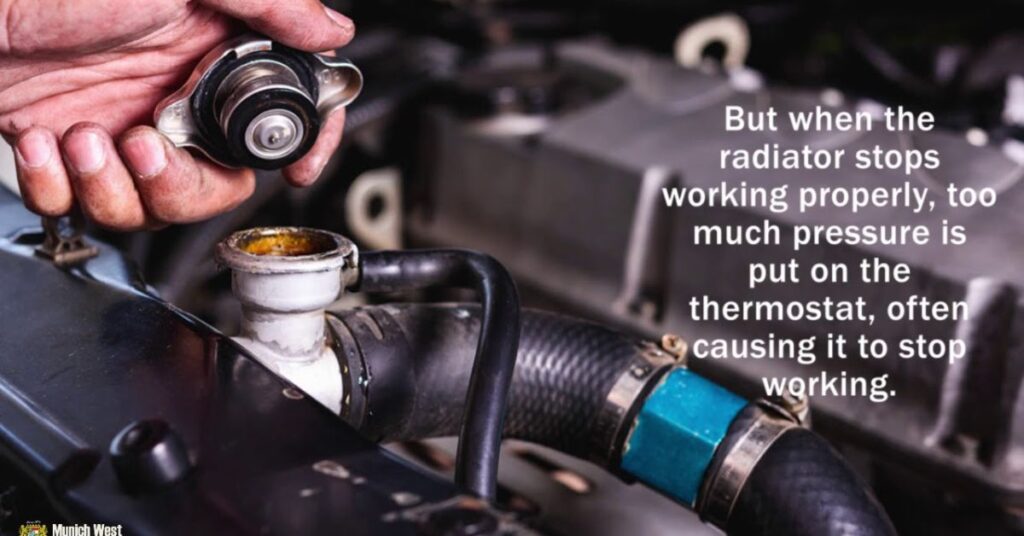
Keeping your radiator efficient also means keeping it safe. Always check the coolant level when the engine is cool, not hot, to avoid burns. Make sure the radiator cap is tightly closed to prevent leaks and pressure loss.
Avoid opening the radiator right after driving because the coolant inside can be extremely hot. Regularly inspect hoses and connections for cracks or leaks. Use only the recommended coolant for your vehicle. These simple safety tips help maintain radiator efficiency and protect both you and your engine from damage.
Final Thoughts
A well-maintained radiator keeps your engine running smoothly and safely. It helps control temperature, improves fuel efficiency, and prevents costly damage. Small actions like cleaning, checking coolant levels, and fixing leaks can make a big difference.
Here are some quick reminders for better radiator care:
- Always use the right coolant for your vehicle.
- Never open the radiator when it’s hot.
- Keep the radiator clean and free from dust or debris.
- Check for leaks and unusual noises regularly.
Taking a few minutes for simple radiator maintenance can save you from major repairs and keep your engine performing its best.
Conclusion
Keeping your radiator in good condition is important for your engine’s health. It helps the engine stay cool, run smoothly, and use fuel more efficiently. Regular maintenance and simple care steps can prevent overheating and costly repairs.
By checking coolant levels, cleaning the radiator, and watching for leaks, you can make your car last longer. These small habits not only improve radiator efficiency but also keep your vehicle safe and reliable on every drive.
FAQs
1. How often should I check my car’s radiator?
You should check your radiator and coolant level at least once a month or before a long trip.
2. Why is radiator efficiency important for the engine?
It keeps the engine cool, prevents overheating, and improves overall performance.
3. What are signs my radiator isn’t working properly?
Common signs include engine overheating, coolant leaks, or low heat output from the heater.
4. Can I use water instead of coolant?
It’s not recommended. Coolant protects the engine from rust, corrosion, and extreme temperatures.
5. How can I improve my radiator’s efficiency easily?
Keep it clean, use the right coolant, bleed trapped air, and check for leaks regularly.
Noah Theo is the World Best Article Writter. Top Ranked Articles, Informative Articles, Unique Content Articles. All Articles are Written by Noah Theo..