Introduction
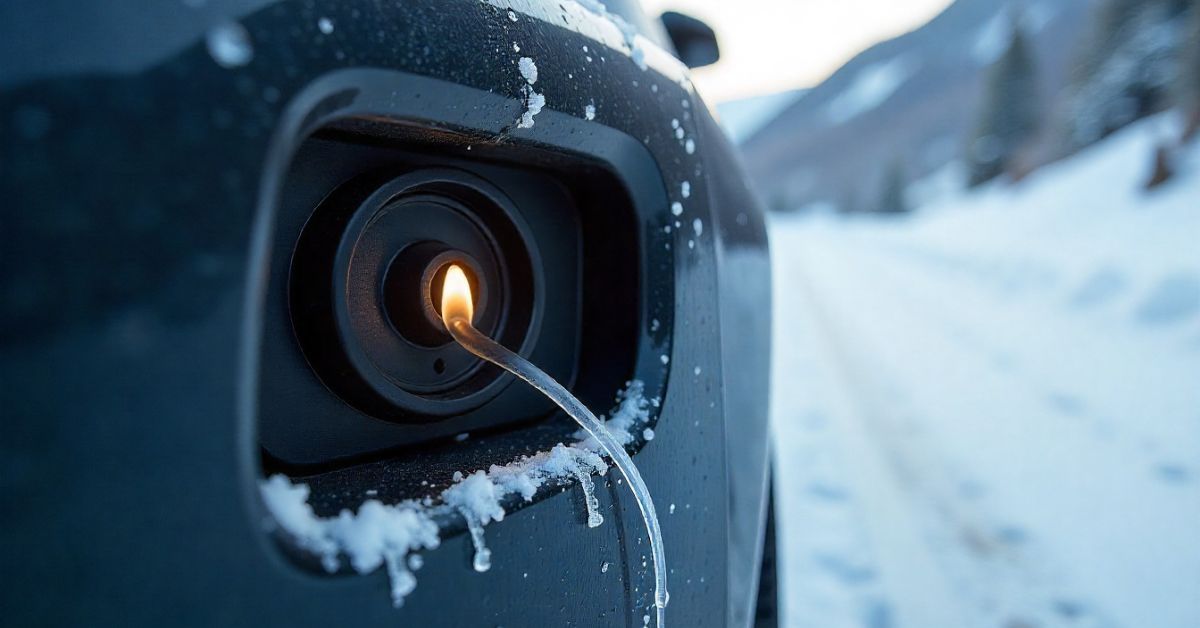
The problem with electric cars in cold engine oil refers to how low temperatures can affect the performance of electric vehicles. While electric cars don’t use traditional engine oil like petrol cars, they still rely on lubricants and thermal fluids to keep parts running smoothly. When the weather gets cold, these fluids can thicken, causing reduced efficiency.
Cold weather makes electric vehicles work harder. The battery drains faster, and the car may take longer to warm up. Drivers might notice slower acceleration or reduced driving range. This creates frustration, especially during freezing mornings when quick starts are needed the most.
Understanding how cold affects electric car fluids can help owners take better care of their vehicles. Using proper winter-grade lubricants and parking in warmer places can make a big difference. With a few simple steps, electric cars can stay efficient even in cold weather.
EV in Cold Weather: What’s the Problem?
When the weather gets cold, electric vehicles (EVs) can face a few challenges. Batteries lose power faster in low temperatures, which means the car’s driving range becomes shorter. The fluids and lubricants inside the EV can also thicken, making the system work harder.

Cold weather affects charging too. It can take longer to charge the battery, and the car may not perform as smoothly as usual. This is why many EV owners notice their vehicles feeling slower or using more energy in winter.
To avoid these problems, it’s important to keep your EV warm whenever possible and use recommended fluids for cold temperatures. Regular maintenance helps the car run better, even in chilly conditions.
Do Electric Cars Start in Cold Weather?
Yes, electric cars do start in cold weather, but they might take a little longer. When temperatures drop, the battery becomes less efficient, which can make it slower to power up the car. This doesn’t mean your EV won’t start, it just needs a bit more time and energy.
Cold weather can also reduce how far you can drive on a single charge. The car uses extra battery power to heat the cabin and keep the battery warm. So, you might notice a shorter driving range in winter.
To make starting easier, many EVs have features like preheating. You can warm up the battery and interior before driving. Keeping your car plugged in overnight also helps it stay ready to go, even on freezing mornings.
Benefits of the Electric Cars in Cold Engine Oil
Knowing about cold weather effects on electric cars’ engine oil and fluids can help owners take better care of their vehicles. By understanding the issue, you can prevent performance drops and protect the battery. Simple steps can make your EV more efficient in winter.

Benefits include:
- Longer battery life during cold months
- Better driving range and performance
- Reduced wear on motor and fluid systems
- Fewer chances of slow starts or unexpected issues
Being aware of these problems also helps plan winter trips safely. Using proper fluids, preheating the car, and parking in warmer spots can save energy and make driving smoother. Overall, knowledge of cold weather effects keeps your EV reliable and efficient.
Signs Your EV is Affected by Cold Oil
When cold weather affects your electric car’s fluids, you may notice changes in performance. The car might feel slower, and acceleration can take longer. The battery may drain faster, and the driving range can be reduced. Preheating might take more time than usual, and the cabin may stay colder for longer.
Other signs can be seen in the system itself. Motors and drivetrain components may work harder due to thicker fluids. Sometimes, unusual noises or vibrations appear. Regular monitoring can help detect these issues early.
| Sign | What It Means | Suggested Action |
| Slower Acceleration | Fluids are thick, motor works harder | Preheat car and drive gently |
| Reduced Range | Battery uses more energy in cold | Keep car plugged in and warm |
| Longer Preheating | Fluid and battery take time to reach optimal temp | Use preheating feature |
| Cold Cabin | Heating system uses more energy | Start heating early while plugged in |
| Unusual Noises | Thicker fluids increase friction | Check fluid levels and service if needed |
| Vibrations or Resistance | Drivetrain works harder | Drive smoothly until fluids warm up |
Monitoring these signs helps keep your EV efficient and protects the motor and fluids during winter.
How It Works
Electric cars don’t have a traditional engine, but they still need fluids to keep parts running smoothly. These fluids act like oil in a regular car; they lubricate moving parts and help control temperature.
When the weather is cold, these fluids can thicken. Thicker fluids make it harder for the motor and drivetrain to move efficiently. The battery also uses extra energy to stay warm, which can reduce driving range.
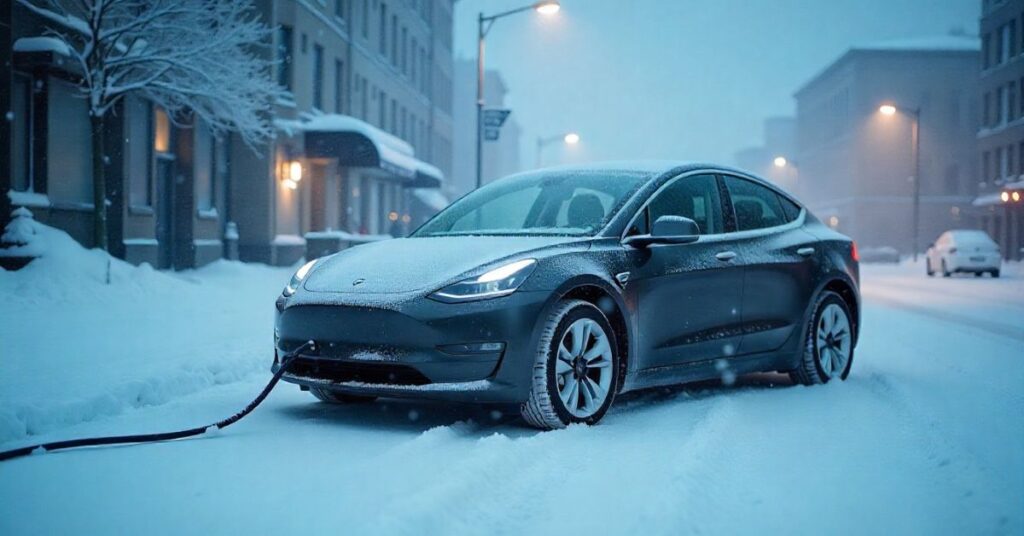
Most modern EVs have systems to manage this automatically. They can preheat the battery and circulate fluids to keep everything at the right temperature. This helps the car start easily and perform well, even in freezing weather.
Importance of Cold Weather Care
Cold weather can affect electric cars’ fluids and battery performance. Thickened fluids make the motor work harder, reducing efficiency and driving range. Preheating and proper maintenance help the car run smoothly.
Taking care of your EV in winter protects battery life and prevents wear on components. Using the right fluids, parking in warmer spots, and monitoring performance ensures the car stays reliable and efficient.
Final Thoughts
Cold weather can create challenges for electric cars, especially with engine oil and fluid systems. Thicker fluids, slower battery performance, and reduced driving range are common issues. But with proper care, these problems can be managed easily.

Key takeaways:
- Preheat your EV before driving
- Use winter-grade fluids recommended by the manufacturer
- Park in covered or warmer areas when possible
- Drive smoothly to reduce strain on the system
By understanding and preparing for cold weather effects, you can keep your electric car efficient, reliable, and safe all winter long. Small steps make a big difference in performance and battery life.
Conclusion
Cold weather can affect electric cars, especially their fluids and battery. Thickened oil and lower battery efficiency can reduce driving range and performance. But these issues are manageable with proper care.
By using winter-grade fluids, preheating the car, and parking in warmer areas, EV owners can protect their vehicles. Regular maintenance and smooth driving keep the car reliable. Small steps make a big difference in winter performance.
FAQs
1. Do electric cars have engine oil?
Electric cars don’t use traditional engine oil, but they rely on special fluids for lubrication and cooling.
2. Why do EVs perform worse in cold weather?
Cold temperatures thicken fluids and reduce battery efficiency, which can lower range and slow performance.
3. Can preheating help EVs in winter?
Yes, preheating warms the battery and fluids, improving performance and efficiency in cold conditions.
4. How can I protect my EV in winter?
Use recommended winter-grade fluids, park in warmer areas, and drive smoothly to reduce strain on the system.5. Will cold weather damage my electric car?
Not if you take precautions. Proper care, maintenance, and preheating prevent damage and keep the car reliable.
Noah Theo is the World Best Article Writter. Top Ranked Articles, Informative Articles, Unique Content Articles. All Articles are Written by Noah Theo..