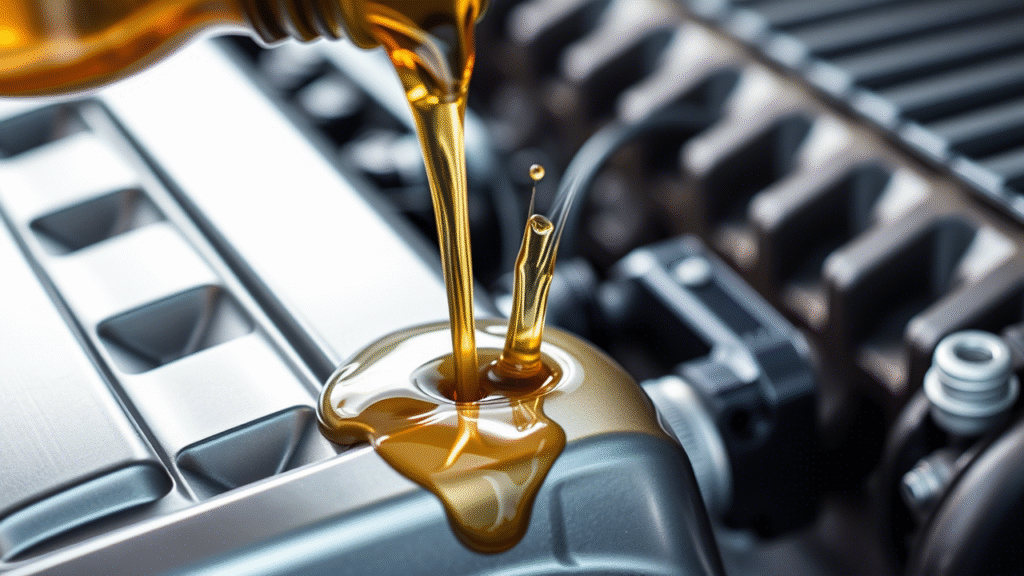
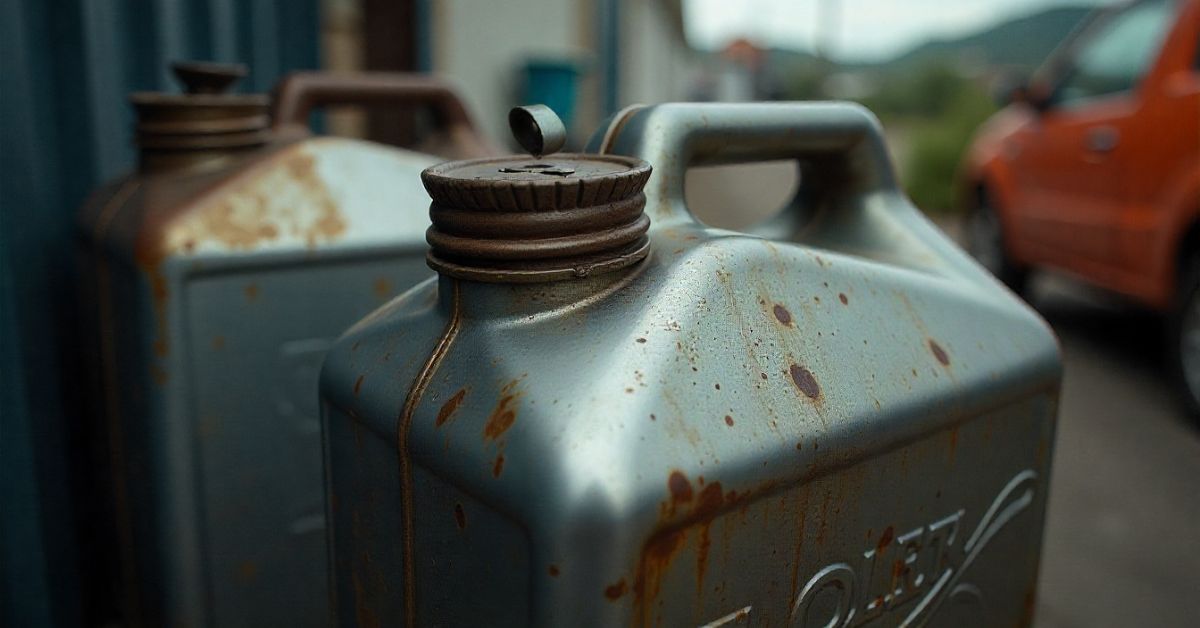
Choosing the right container for engine oil plays a big role in keeping the oil safe and effective. The type of container affects how well the oil performs, how long it lasts, and even how eco-friendly your choice is.
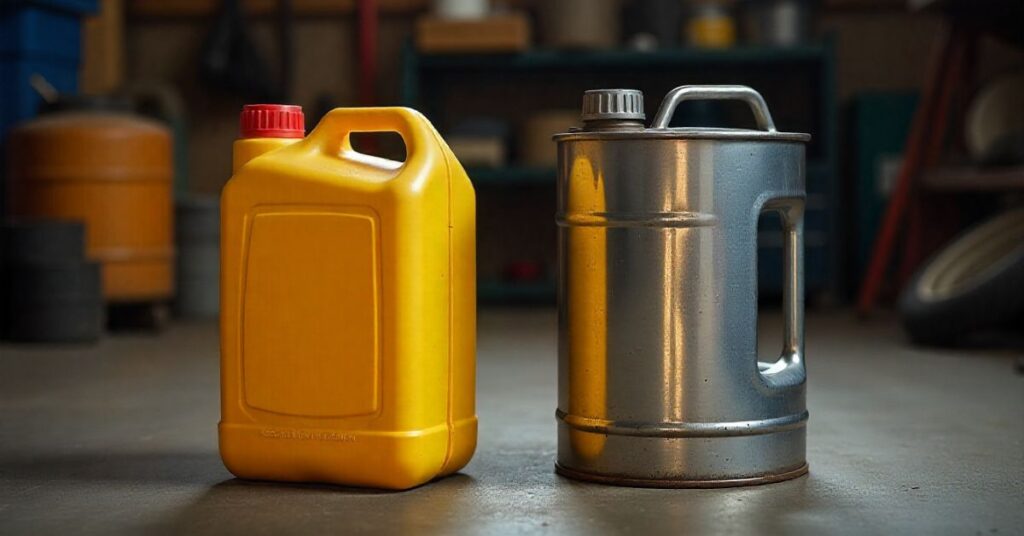
Both plastic and metal have strong points and weak points. Understanding the difference helps car owners and mechanics make better decisions for every use.
Understanding the Purpose of Engine Oil Containers
Engine oil containers are specially made to store and carry engine oil safely. Their job is to stop leaks, keep out dust, and maintain the oil’s purity.
A good container prevents moisture and air from entering, ensuring your engine gets clean, quality oil every time you pour.

Plastic and metal are the most common materials used. Each type offers its own benefits, such as durability, cost, or heat resistance. Knowing these factors helps in choosing the perfect option for your car’s needs.
Why Container Material Matters
The container’s material impacts how well oil stays stable over time. Poor-quality materials can let in oxygen, dirt, or small particles that harm oil performance.
A reliable container keeps the oil clean, maintains its original thickness, and prevents oxidation that can damage engines.
Key takeaways:
- Material affects oil safety and lifespan.
- Strong containers prevent leaks and spoilage.
- The right material ensures smoother engine performance.
Comparing Plastic and Metal Oil Containers
Below is a detailed comparison showing the difference between plastic and metal containers across all important features:
| Feature | Plastic Container | Metal Container |
| Durability | Resistant to corrosion, flexible, can crack under extreme pressure | Extremely strong, resists impact but may rust over time |
| Weight | Lightweight, easy to handle and transport | Heavy, harder to move but stable |
| Temperature Resistance | Can deform under high heat | Withstands high and low temperatures easily |
| Cost | Low-cost and widely available | Higher cost due to material strength |
| Recyclability | Partially recyclable, depends on plastic type | Fully recyclable and environmentally friendly |
| Oil Safety | Protects oil from contamination if sealed properly | Excellent protection if maintained |
| Best Use Case | Short-term storage and easy transportation | Long-term oil storage and industrial use |
| Maintenance Tips | Avoid direct sunlight and extreme heat | Keep dry and apply anti-rust coating periodically |
| Environmental Impact | Can create plastic waste if not recycled | Lower waste if reused properly |
Advantages of Plastic Containers
Plastic containers are lightweight, affordable, and easy to carry. They are simple to pour from and are available in many sizes.
These containers don’t rust and can resist small impacts, making them ideal for personal use and frequent oil changes.
They also help reduce shipping costs due to their light design. However, always keep them away from direct heat or sunlight to prevent softening.
Advantages of Metal Containers
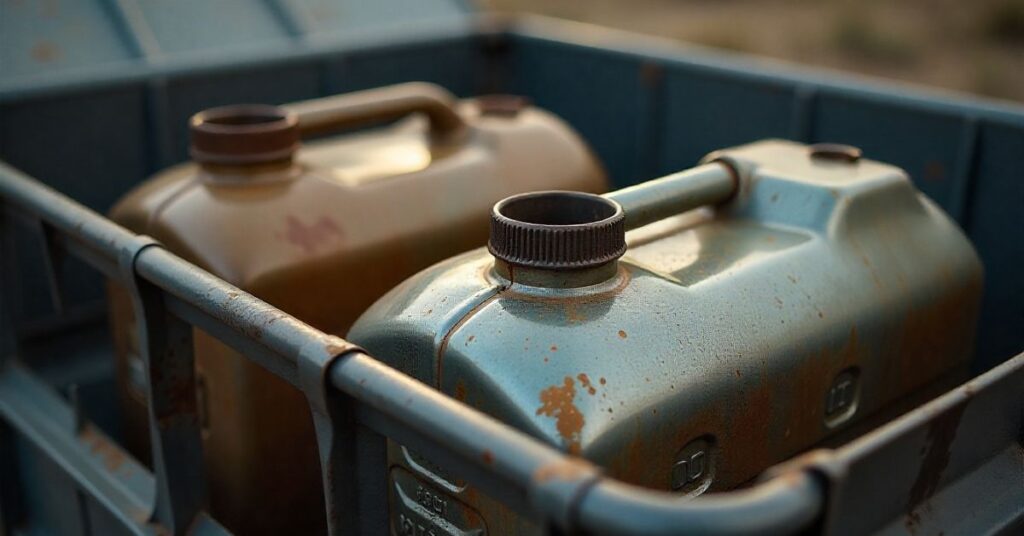
Metal containers are known for their unmatched strength and temperature resistance. They can handle extreme weather conditions without bending or leaking.
Their solid structure makes them perfect for garages and industrial environments where long-term oil storage is common.
They are also 100% recyclable and can be reused for years with proper care, reducing waste and saving money in the long run.
Disadvantages of Plastic Containers
Plastic containers can deform or leak under high heat, especially when left inside a car or exposed to sunlight. This can lead to oil wastage or contamination.
They also create more environmental concerns if not recycled correctly, adding to plastic pollution.
Disadvantages of Metal Containers
Metal containers can rust when exposed to moisture, which may lead to oil contamination over time.
They are also heavier to carry, making them less convenient for frequent travelers or those handling oil on a daily basis.
Environmental Impact of Both Materials
The environmental effect of container materials is a growing concern. Plastic containers contribute to pollution when disposed of carelessly.
Metal containers, on the other hand, can be melted and reused, which makes them a better choice for sustainability.
Eco-friendly tips:
- Always recycle used containers properly.
- Choose reusable options whenever possible.
- Avoid leaving empty containers outdoors or in open trash bins.
Safety and Storage Tips
Storing oil safely helps maintain its quality and prevents spills or accidents. Always keep containers sealed tightly and away from direct sunlight.
Avoid mixing different oils in one container, as this can change the oil’s properties.
3 Quick Tips for Safe Storage:
- Keep containers in a cool, dry place.
- Label containers clearly with oil type and date.
- Don’t store near fire, heat, or open flames.
Which Container Is Better?
Both materials serve different purposes. For home car maintenance, plastic is lighter and more convenient. For workshops or long-term use, metal offers superior durability.
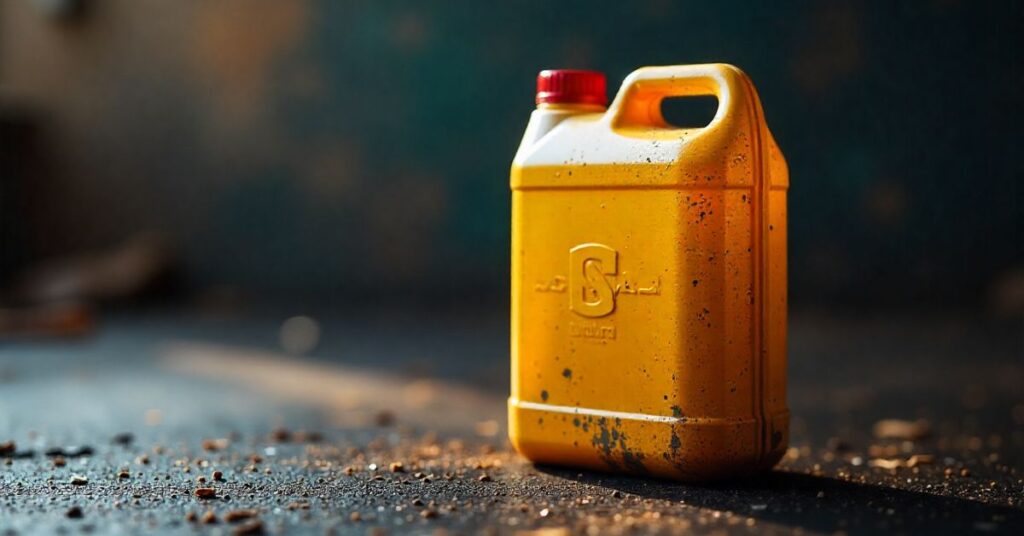
The best choice depends on how and where you plan to store or use the oil.
Final Thoughts
When comparing Plastic vs Metal Engine Oil Containers, both have their value. Plastic provides flexibility and affordability, while metal ensures lasting strength and safety.
Car owners should pick based on need, environment, and storage habits. Choosing wisely helps maintain oil purity, engine performance, and environmental balance.
Conclusion
Choosing between plastic and metal containers depends on how you use and store your engine oil. Plastic options are lightweight and easy to handle, while metal ones are stronger and more reliable for long-term use. Both can protect oil effectively if stored correctly.
By understanding their pros, cons, and environmental impact, you can make the best decision for your car, your budget, and the planet.
FAQs
1. Which engine oil container is best for daily car use?
Plastic containers are better for short-term and regular oil changes because they’re light and affordable.
2. Are metal containers safer than plastic ones?
Yes, metal containers handle heat and pressure better, making them safer for long-term storage.
3. Can I recycle old engine oil containers?
Yes, both metal and some types of plastic containers can be recycled—just clean them properly first.
4. Do plastic containers affect oil quality?
Only if exposed to heat or sunlight for too long; otherwise, they keep oil safe and clean.
5. How should I store engine oil containers?
Keep them tightly sealed, in a cool, dry place, and away from direct sunlight or flames.
Noah Theo is the World Best Article Writter. Top Ranked Articles, Informative Articles, Unique Content Articles. All Articles are Written by Noah Theo..