
Introduction
A flash flood happens when heavy rain causes sudden flooding in low areas. It can occur within minutes, often without warning. These floods are powerful enough to damage roads, vehicles, and even car engines.
Many drivers think they can drive through flooded streets, but that’s a big mistake. Just a few inches of water can stop your car and ruin your engine. The risk is real, and knowing what to do can save your vehicle and your life.
If you ever find yourself stuck in a flash flood, the key is to act quickly and safely. Avoid driving through water, turn off your engine if it stalls, and move to higher ground. Simple steps like these can help prevent serious engine damage.
Driving Through Flash Floods
Driving through a flash flood is never safe. Even water that looks shallow can be deep and dangerous. Flash floods move fast and can push your car off the road within seconds.

Many people think their vehicle is strong enough to handle floodwater, but that’s not true. Just a few inches of water can stall your engine and make your car float. You could lose control before you even realize what’s happening.
The best choice is to avoid driving through floodwater altogether. Turn around and find another route. If you’re already trapped, stay calm, leave your car if it’s safe, and move to higher ground. Your safety is always more important than your vehicle.
Flash Flood Safety Tips in Engine
Flash flood safety means keeping both you and your car engine safe when sudden floods happen. Water and engines don’t mix. Even a little water can cause big damage. That’s why it’s important to know what to do before and during a flash flood.
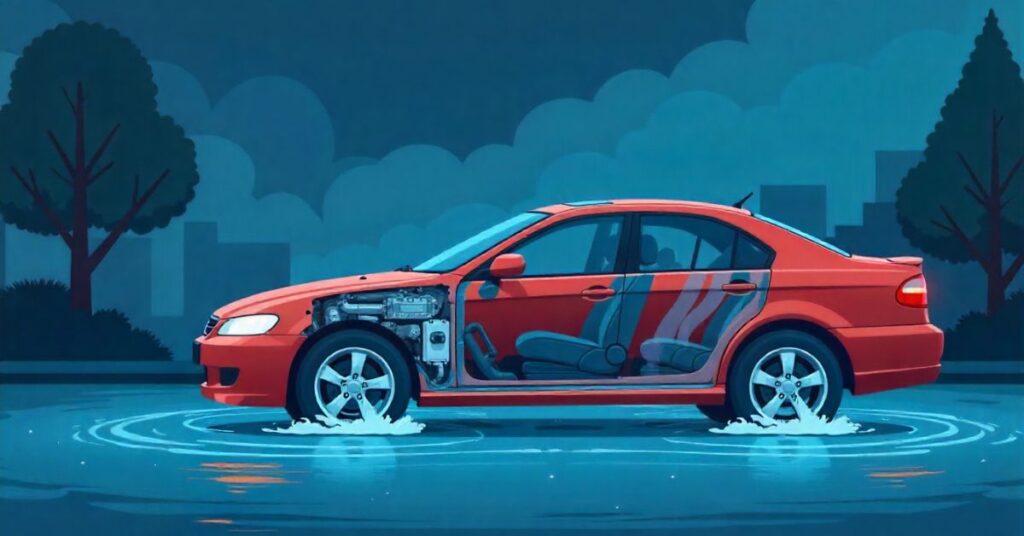
If you see water on the road, don’t drive through it. It might be deeper than it looks. Driving through floodwater can make your engine stall or pull water inside, leading to costly repairs.
If your car stops in the water, turn off the engine immediately. Don’t try to restart it, this can make the damage worse. Move to higher ground and wait until it’s safe. After the flood, get your car checked by a mechanic before driving again.
Benefits of Flash Flood in Engine
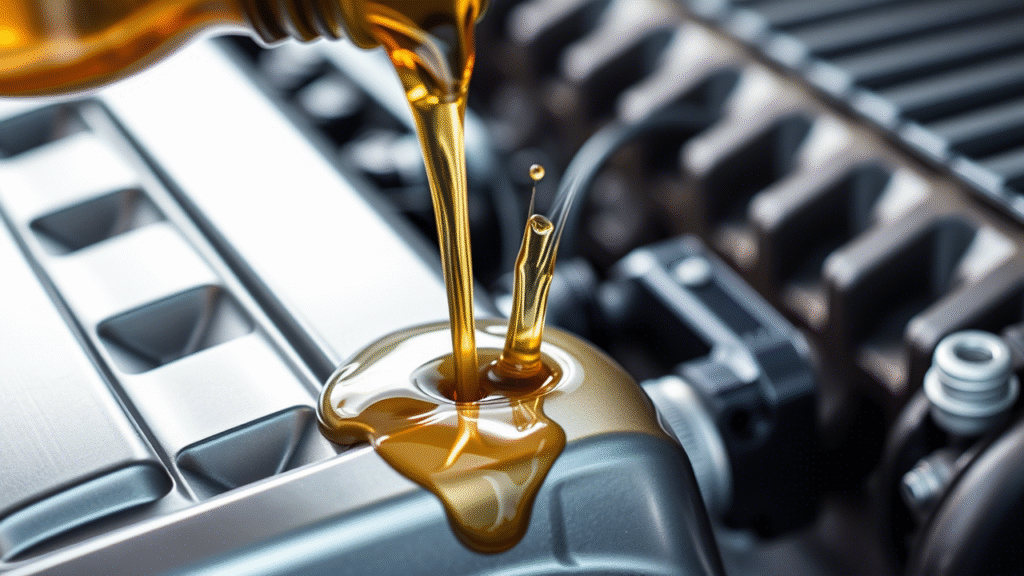
Flash floods are usually harmful, but in engine terms, the idea can be compared to a quick flush or cleaning process. A sudden flow of clean fluid can help remove dirt, rust, or debris from the engine’s system. It refreshes the internal parts and helps them work more smoothly for a short time.
Some possible benefits include:

- Helps clean blocked pathways in the cooling system.
- Washes away old oil or contaminants.
- Improves temporary fluid flow and performance.
Just like a strong water flow clears a channel, a flash flood effect in an engine can push out hidden residue. It may improve fuel flow or oil circulation briefly, making the engine run more efficiently. However, this process must be controlled and safe to avoid damage. Regular maintenance is a better, long-term way to keep your engine clean and working well.
Caught in a Flash Flood? Do This
Getting caught in a flash flood can be very dangerous. Stay calm and act fast. Never try to drive or walk through moving water. Even a few inches of water can sweep you away. Move to higher ground immediately and avoid low areas like rivers, bridges, or tunnels. Your safety comes first, not your vehicle or belongings.
If you’re inside your car, unbuckle your seatbelt and be ready to leave the vehicle if water starts rising. Avoid using your phone unless it’s for emergency help. After reaching safety, wait for rescue teams or check official updates before returning to flooded areas.
| Situation | What You Should Do | What to Avoid |
| Water rising fast | Move to higher ground quickly | Don’t wait or check your car |
| Inside a vehicle | Leave if water reaches the doors | Don’t try to restart the engine |
| On foot | Find stable, dry ground | Don’t walk through moving water |
| At home | Turn off power and gas | Don’t stay in basements |
| During rescue | Follow instructions calmly | Don’t panic or run |
| After flood | Check for damage safely | Don’t touch wet wires or plugs |
How It Works
Flash floods happen when heavy rain falls in a short time and the ground cannot absorb all the water. The extra water rushes down streets, hills, and rivers, creating a strong, fast-moving flood. It can rise within minutes and move with great force.
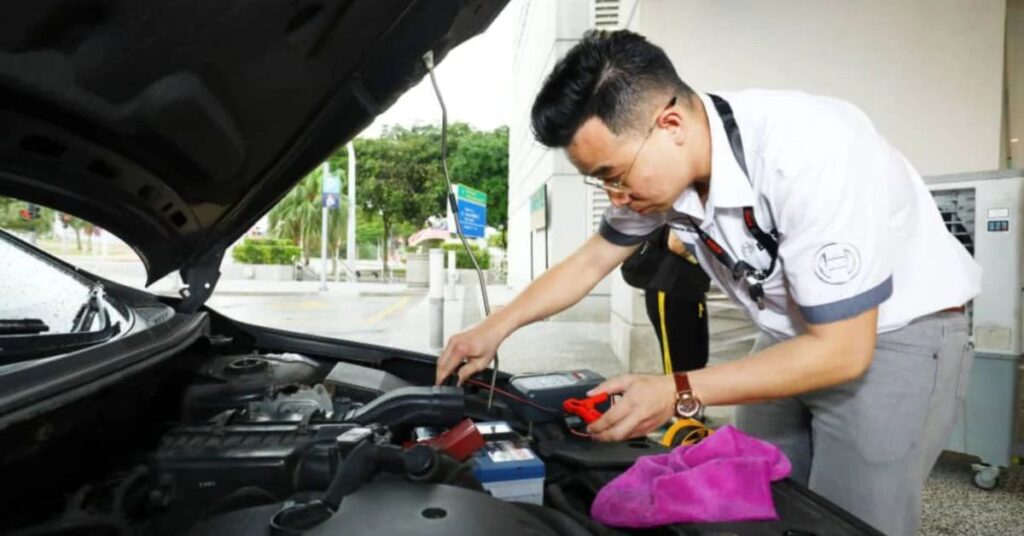
When a flash flood starts, it pushes everything in its path: cars, debris, and even rocks. Drains and rivers overflow, making roads and low areas dangerous. That’s why quick action is so important. The faster you move to higher ground, the safer you’ll be.
Safety Tips of Flash Flood in Engine
Flash floods can harm your car engine within minutes. Water entering the engine can cause it to stop or even damage it permanently. The best way to protect your car is to stay alert and avoid driving through deep or fast-moving water. Always choose a safe route and park your car on higher ground during heavy rain.
After a flood, check your car carefully before using it again. Do not try to start the engine if it has been underwater. Instead, call a mechanic to inspect it. They can check the oil, air filter, and electrical parts for water damage. Taking these small steps can save your engine and help your car run smoothly after bad weather.
Final Thoughts
Flash floods can happen suddenly and cause serious harm to your car engine. Staying alert and avoiding flooded roads is the best way to stay safe. Always think before driving through water saving your engine is easier than fixing it later.
To keep your engine safe, remember these points:
- Never start your car if water has entered the engine.
- Let a mechanic inspect your vehicle after a flood.
- Keep track of weather alerts during heavy rain.
- Stay calm and act fast when water levels rise.
A little care and quick action can prevent big damage and keep your car running smoothly even after rough weather.
Conclusion
Flash floods are dangerous and can quickly damage your car engine. Staying calm and making smart choices can protect both you and your vehicle. Avoid driving through flooded roads and always move to higher ground when water starts to rise.
After the flood, don’t rush to start your car. Let a mechanic check it first to prevent more damage. A little patience and care can save you from big repair costs and keep your car safe for the road ahead.
FAQs
1. What is a flash flood?
A flash flood is a sudden and strong rush of water that happens after heavy rain or storms.
2. How can I stay safe during a flash flood?
Move to higher ground right away and avoid walking or driving through flooded areas.
3. Can flash floods happen without warning?
Yes, flash floods can happen within minutes, especially after intense rain or near rivers.
4. What should I keep in my flash flood emergency kit?
Include water, snacks, a flashlight, a phone charger, and a first aid kit.
5. What should I do after a flash flood?
Stay away from floodwater, check for safety alerts, and inspect your car or home for damage.
Noah Theo is the World Best Article Writter. Top Ranked Articles, Informative Articles, Unique Content Articles. All Articles are Written by Noah Theo..