
Every car owner knows that the weather can be both a friend and an enemy to vehicles. When temperatures rise or fall, car parts, especially engine oil, respond differently.
But few realize that the same weather conditions influencing a car’s performance can also affect car insurance.
Understanding this connection helps drivers make better decisions about vehicle care, costs, and coverage. This guide explores how temperature, rain, snow, and storms influence both engine oil performance and insurance policies, in simple, easy-to-grasp terms.
The Link Between Weather and Car Insurance
Weather conditions shape driving behavior, accident rates, and repair costs. When heavy rain, snow, or fog hits, accidents tend to rise. Insurance companies adjust premiums based on the risk level of these conditions.

Cold regions with icy roads often face higher claim frequencies. On the other hand, places with mild, stable weather tend to have lower average premiums. So, climate directly influences what you pay for protein.
How Temperature Affects Engine Oil and Vehicle Safety
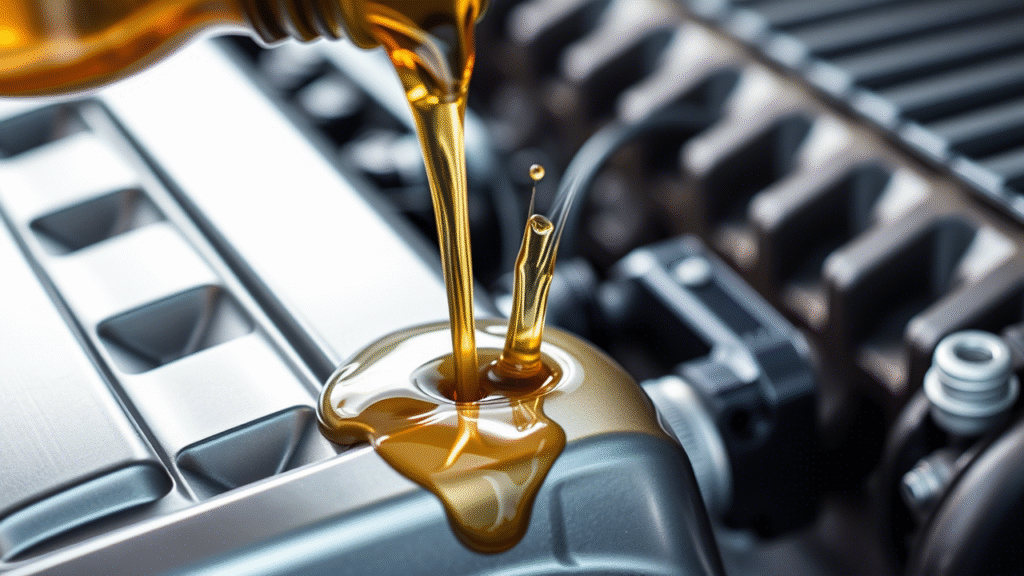
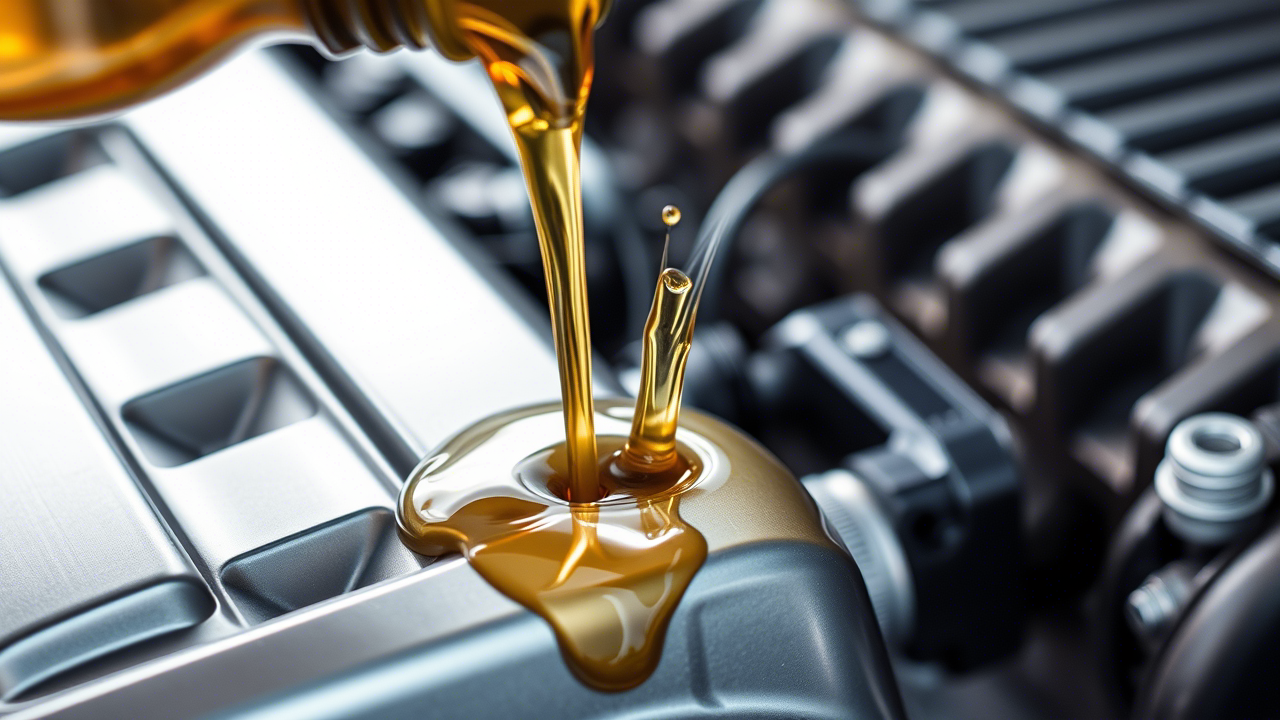
Engine oil plays a vital role in keeping your car’s engine healthy. In cold weather, it thickens and moves slowly, reducing lubrication. In extreme heat, it thins out, failing to protect engine parts effectively.
When weather swings between hot and cold, it can strain engine components, increase wear, and lead to more frequent maintenance. Drivers who keep their oil checked and replaced on schedule lower their chances of breakdowns and costly claims.
How Does Weather Affect Car Insurance
This question often comes up among drivers. Simply put, insurance companies use data about weather-related risks when setting premiums. More storms or floods in an area mean more potential claims, which raises the overall rates.
If extreme weather causes higher chances of accidents or damage, insurers view that region as higher risk. They might also include special clauses for natural disasters or weather-related engine damage, making regular car care even more important.
Seasonal Changes and Their Impact on Costs
Every season presents its own challenges. In winter, icy roads and low visibility lead to collisions and insurance claims. In summer, overheating and tire wear increase accident risks.

Insurers assess these seasonal patterns when calculating premiums. Even minor local weather shifts can influence claim numbers over time. Proper maintenance, including regular oil checks, helps reduce your exposure to seasonal damage.
Weather Conditions and Their Impact on Engine Oil & Insurance
Here’s a detailed table showing how different weather types influence both engine oil performance and insurance factors:
| Weather Type | Effect on Engine Oil | Impact on Insurance | Driver Tip |
| Cold Winter | Thickens oil, slows flow | Higher accident claims from ice | Use low-viscosity oil for smooth startup |
| Hot Summer | Thins oil, weakens protection | Risk of overheating-related claims | Check oil levels often in heat |
| Rainy Season | Moisture may affect oil quality | More collision claims from slippery roads | Inspect oil seal and tire grip |
| Snow & Ice | Hard starts, increased friction | Insurance costs rise due to accidents | Warm engine before driving |
| Storms & Floods | Risk of water mixing with oil | Flood claims and engine repair costs rise | Avoid deep water driving |
| Humid Weather | Can form sludge in oil | Minor claim increases | Change oil on schedule |
| Dry Heat | Evaporates oil faster | Minor risk, but more engine wear | Use high-temperature oil grade |
Taking small preventive steps saves both engine life and insurance costs. Simple awareness keeps your car and wallet safe all year round.
Why Engine Oil Maintenance Matters in Every Climate
Proper engine oil care prevents damage caused by weather changes. When oil performs well, your car stays efficient and safe, which means fewer breakdowns and fewer claims.
Many insurers consider maintenance records when processing weather-related claims. Regular oil changes show responsibility, often helping in smooth claim approvals.
How Insurers Evaluate Weather Risks
Insurance companies use regional weather statistics to predict potential damages. For example, areas with frequent hail or floods get higher premiums because repair and replacement costs are more common there.

Some insurers even use satellite and climate data to adjust local rates yearly. Drivers in less risky zones often benefit from lower rates, especially when they maintain their engines properly.
Protecting Your Engine Oil and Coverage in Extreme Weather
Hot and cold extremes can shorten your oil’s lifespan. When oil degrades, the engine works harder, increasing fuel consumption and wear. That also means a higher chance of filing claims for repairs or roadside help.
Keep your car under shade during summer, and let it warm up gradually in winter. Simple habits like these protect both your engine and your insurance benefits in the long run.
Regional Weather and Insurance Premium Comparison
Insurance costs vary by region. A driver in a storm-prone coastal city may pay more than one in a dry inland area. The same goes for engine oil use vehicles in humid or cold regions often need more frequent oil changes.
Understanding your local climate’s effect on both your car and your coverage helps you plan better. It’s not only about location but also about how responsibly you maintain your car under those conditions.
How Climate Change Is Shaping Future Insurance Rates
As climate patterns become less predictable, insurers prepare for more claims linked to floods, storms, and temperature extremes. Drivers may see gradual premium adjustments reflecting these risks.
Maintaining your engine oil and following preventive care routines can offset some of these rising costs. Responsible car care keeps your policy in good standing and your vehicle dependable year-round.
The Role of Technology in Weather-Based Insurance Adjustments
Modern insurers use technology to track weather patterns in real time. Some even send alerts about storms, heatwaves, or freezing temperatures.
These alerts help drivers take precautions like checking tire pressure or engine oil before conditions worsen. This data-driven system rewards safe, proactive behavior with stable rates.
Preventive Measures for Drivers
Preventive steps can protect both your car and your insurance record. Simple habits go a long way:
- Check your engine oil every two weeks.
- Park in covered areas during storms or heat.
- Keep tires inflated properly.
- Use weather-rated oil suited to your region.
Drivers who follow these practices tend to have fewer breakdowns, fewer claims, and lower long-term insurance costs.
Practical Tips to Save on Premiums During Weather Changes
Some small actions can help you control costs:

- Update your insurer about storage and maintenance.
- Install a monitoring device to track driving habits.
- Avoid driving during extreme weather when possible.
These steps signal to insurers that you’re a low-risk driver, which may result in discounts or special rewards.
Final Thoughts
Weather is unpredictable, but your preparation doesn’t have to be. Knowing how it influences both engine oil performance and insurance rates gives you an edge.
With regular oil checks, careful driving, and climate awareness, you can protect your car, save money, and stay confident in any weather.
Conclusion
Weather plays a bigger role in car safety and insurance than most people realize. From freezing winters to scorching summers, every condition affects engine oil, vehicle performance, and the chances of insurance claims. Taking care of your engine oil is one of the smartest ways to reduce those risks.
When your car runs smoothly, it not only stays safer on the road but also helps you maintain lower insurance rates. Regular oil checks, smart driving habits, and awareness of changing weather protect both your vehicle and your budget. In short, understanding how weather affects car insurance gives you the power to drive confidently no matter what the skies bring.
FAQs
1. Does weather really change my car insurance rate?
Yes, weather conditions affect risk levels, which influence premiums.
2. How often should I change engine oil in extreme weather?
Usually every 3,000–5,000 miles, or as your manufacturer suggests.
3. Can heat damage my engine oil?
Yes, high heat can thin oil and reduce its protective strength.
4. Do insurers cover weather-related engine damage?
Most comprehensive policies do, but it depends on your plan.
5. How can I reduce weather-related insurance costs?
Maintain your car regularly, park safely, and avoid risky driving in storms.
Noah Theo is the World Best Article Writter. Top Ranked Articles, Informative Articles, Unique Content Articles. All Articles are Written by Noah Theo..