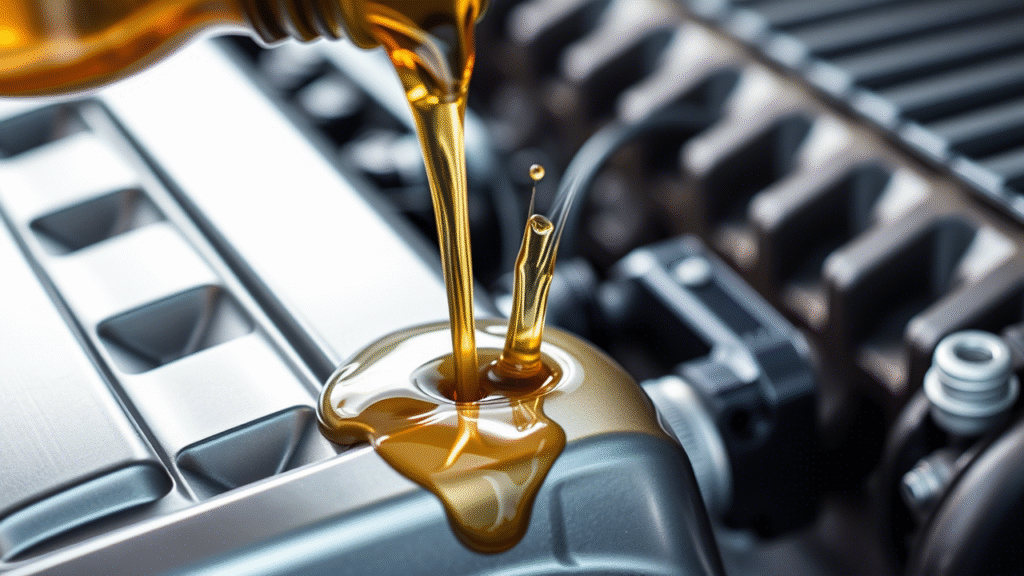

Keeping your diesel engine healthy starts with clean, fresh oil. Every time your vehicle runs, the oil works hard to cool, clean, and protect the moving parts from friction. Over time, it becomes thick, dirty, and less effective. Replacing it at the right time helps your engine stay smooth and powerful for years.
You don’t have to be a professional mechanic to handle this task. With a few simple tools and a clear guide, anyone can do it safely at home. It not only saves money but also gives you control over your vehicle’s maintenance schedule. Let’s explore how to do it the easy way.
3 Quick Benefits of Doing It Yourself
- Save maintenance costs by skipping expensive workshops.
- Learn more about your vehicle and detect small issues early.
- Boost performance and reduce the chance of engine wear.
Why Oil Matters for Diesel Engines
Diesel engines face high pressure and heat. Oil acts as a shield, reducing friction and carrying away heat from parts that move fast. Without clean oil, those parts grind together and wear out quickly.
A regular change prevents buildup of carbon and sludge, which can block oil flow and reduce engine performance. With clean oil, your engine breathes better, runs quieter, and uses less fuel.
Best Time to Replace Diesel Engine Oil
Knowing when to change your oil depends on how you use your vehicle. City driving, towing, or long hauls all affect oil life differently.
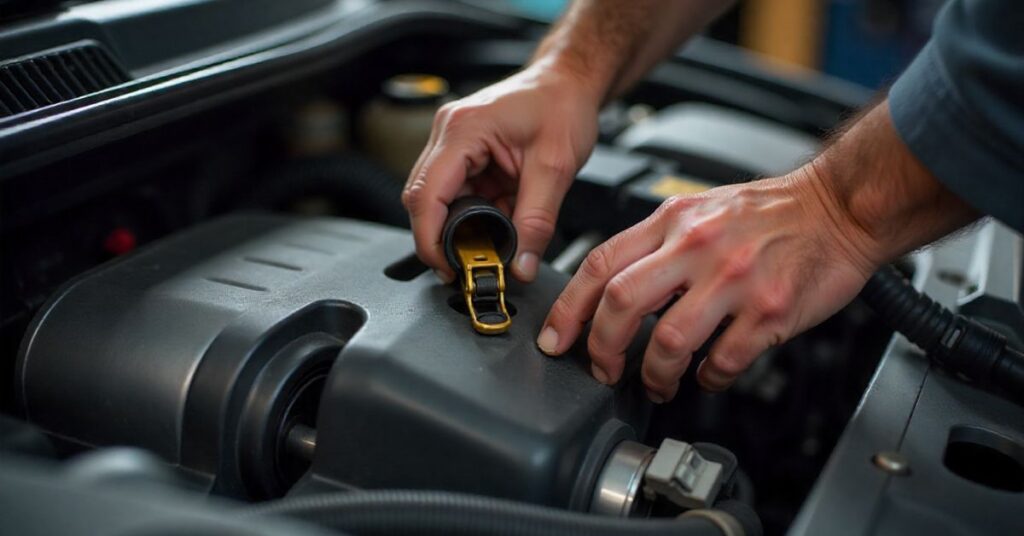
Most diesel vehicles need an oil change every 5,000 to 7,500 miles, but heavy-duty trucks might need it sooner. Always check your owner’s manual or dashboard alert for specific guidance.
Tools and Materials You’ll Need
Before you begin, gather everything to avoid rushing during the process. Having tools ready makes the task cleaner and faster.
Here’s what you’ll need:
| Tool/Item | Purpose | Tips for Use |
| Engine Oil | Keeps parts lubricated | Choose oil that matches your vehicle’s grade |
| Oil Filter | Traps dirt and debris | Replace every time you change oil |
| Drain Pan | Collects used oil | Use a large, shallow container |
| Funnel | Helps pour oil cleanly | Prevents spills and waste |
| Wrench Set | Removes drain plug | Right size avoids stripping the bolt |
| Gloves & Rags | Protect hands | Helps clean any accidental spills |
| Jack & Stands | Lifts vehicle safely | Always secure before crawling under |
This table ensures you know what’s required before starting, helping you stay organized and safe.
Step-by-Step Guide for a Smooth Oil Change
Now let’s go through the easy steps. Follow them carefully, and you’ll finish the job without a mess.
- Warm up the engine slightly so the oil flows out easily.
- Lift the vehicle with a jack and secure it with stands.
- Place the drain pan under the oil plug.
- Remove the drain plug using the wrench and let the oil flow out.
- Once drained, remove the old oil filter carefully.
- Install the new filter and tighten it by hand.
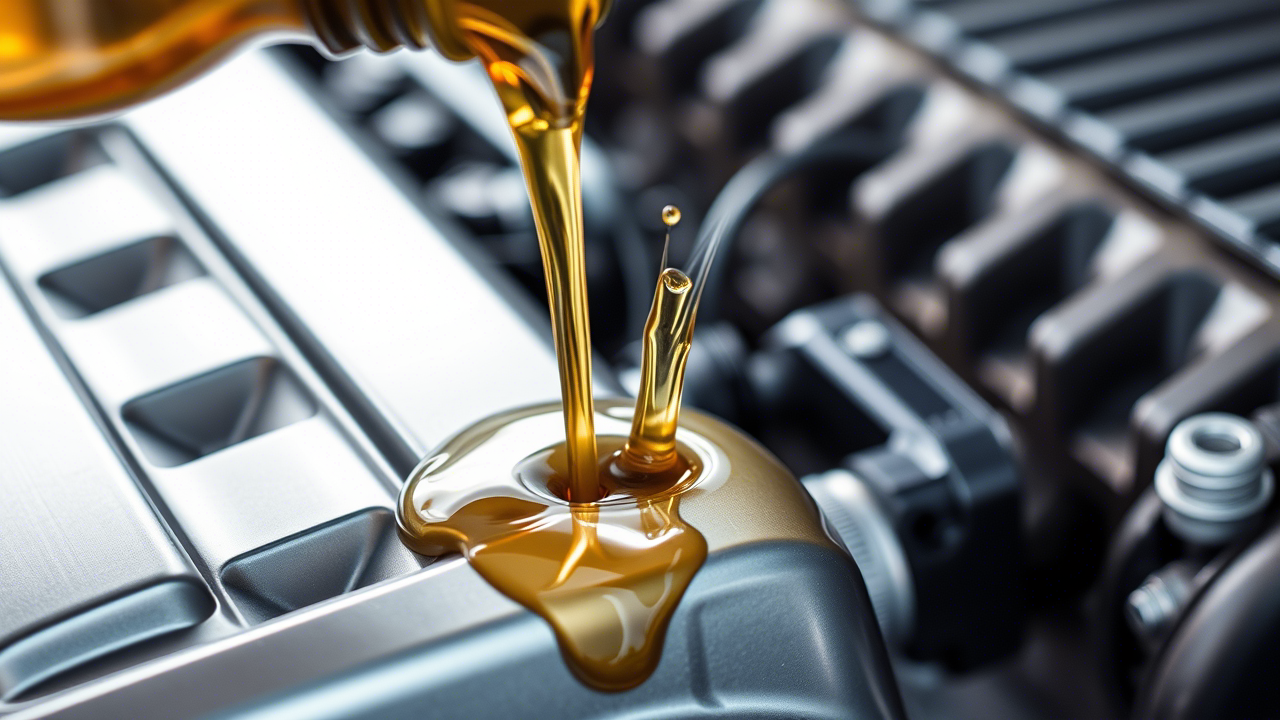
- Replace the plug, then pour in new oil using a funnel.
- Check the oil level with the dipstick and add more if needed.
After finishing, start your engine for a minute to circulate the oil. Then recheck the dipstick and top up if necessary.
Common Mistakes to Avoid
Even simple tasks can go wrong if rushed. Avoiding a few errors can make a big difference in how your engine runs.

Never overfill the oil tank; too much oil can cause pressure build-up. Also, never reuse the old oil filter since it contains trapped dirt. Tighten the drain plug properly but not too tight, as over-tightening may damage the threads.
Choosing the Right Type of Oil
Every diesel engine has its own oil needs. Using the wrong oil can reduce fuel efficiency and shorten engine life.
Always use oil recommended by your manufacturer. Diesel engines generally prefer thicker oils that handle heat better, such as 10W-30 or 15W-40 grades. Modern synthetic oils provide more stability and last longer.
How Often Should You Check the Oil Level
Regular checks help spot leaks or unusual oil usage. A quick inspection takes less than a minute and prevents big issues later.
Check the oil level every two weeks or before long trips. If the oil looks dark or gritty, it’s time for a change. Clean oil should look golden and smooth.
Cost and Savings Comparison
Doing it yourself is much cheaper than taking it to a workshop. Let’s see a simple cost breakdown:
| Service Type | Average Cost | Time Required | Who Should Do It |
| DIY at Home | $30–$60 | 30–45 minutes | For careful car owners |
| Local Garage | $80–$120 | 1 hour | For quick service |
| Dealership | $150–$250 | 1–2 hours | For warranty vehicles |
Doing it yourself saves more than half the cost, and you gain hands-on experience that builds confidence.
Environmental Responsibility
Used oil must never be poured down drains or onto the ground. It can pollute water sources and harm wildlife.
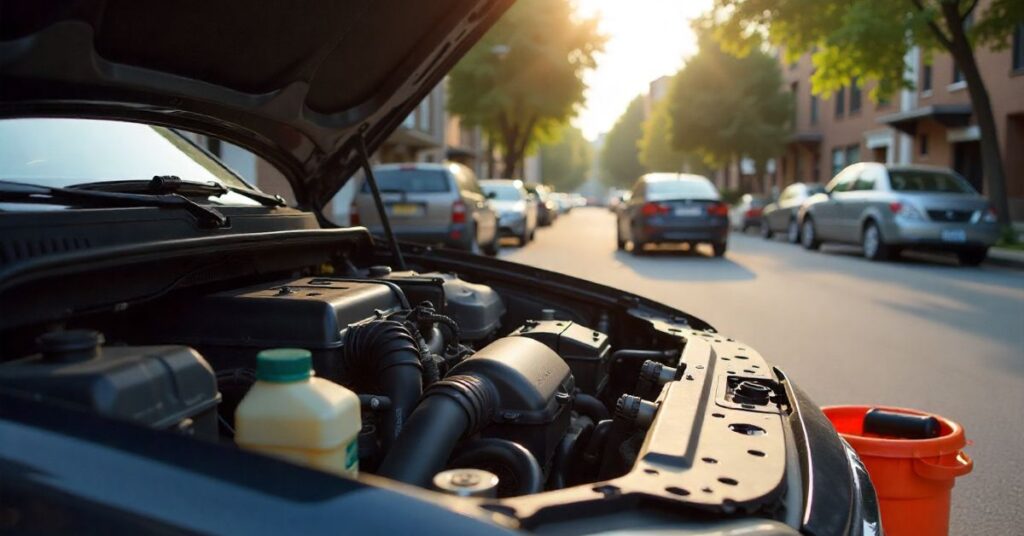
Store used oil in a sealed container and drop it off at a recycling center or auto shop. Many local stores accept used oil for free disposal. Always recycling is the responsible and eco-friendly choice.
Signs Your Engine Needs an Immediate Oil Change
Ignoring oil conditions can lead to serious problems. Here are some early warning signs:
- The oil warning light appears on your dashboard.
- The engine noise becomes louder or knocking.
- You notice dark smoke or poor acceleration.
These signs mean the oil can’t protect the engine anymore. Act fast to prevent expensive repairs.
Pro Tips for Better Engine Care
Taking small steps between oil changes can extend your engine’s life. Keep your air filter clean, check fluid levels regularly, and drive smoothly to reduce strain.
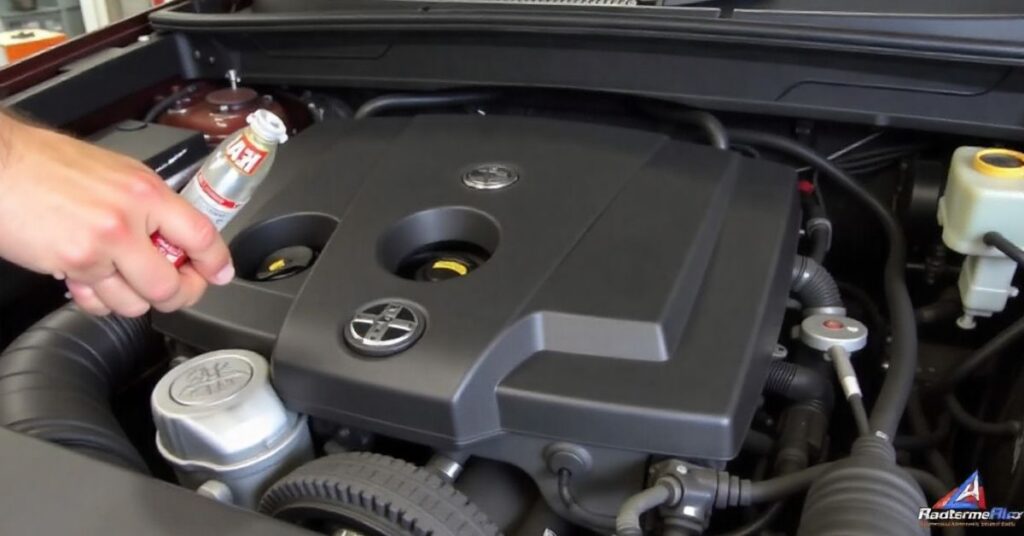
Avoid revving a cold engine. Let it warm up naturally before speeding up. These little habits protect your vehicle more than any single maintenance task.
Oil Change on a Diesel Engine: Maintenance Schedule
Performing an oil change on a diesel engine follows a smart routine. A clear schedule keeps your vehicle running at peak power without interruptions.
| Mileage | Maintenance Task | Reason |
| 5,000 miles | Replace oil & filter | Removes dirt and sludge |
| 10,000 miles | Inspect hoses & belts | Prevent leaks and cracks |
| 15,000 miles | Check fuel system | Ensures clean combustion |
| 20,000 miles | Flush cooling system | Keeps temperature balanced |
| 25,000 miles | Full inspection | Prepares engine for long-term use |
Stick to this table for reliable performance all year long.
Final Check After Oil Change
After you finish, take your vehicle for a short drive. Then park it on a flat surface and check for leaks under the engine.
Recheck the oil level after the engine cools down. If it’s steady and clear, congratulations your diesel engine is ready for smooth journeys again.
Conclusion
Changing the oil regularly keeps your engine clean, quiet, and strong. It’s one of the simplest tasks that gives big results. By doing it yourself, you save money, protect your investment, and learn more about how your vehicle works.
Remember to follow your schedule, use the right oil, and check the level often. Your diesel engine will reward you with reliable power, lower fuel use, and longer life.
FAQs
1. How often should I do an oil change on a diesel engine?
You should replace the oil every 5,000 to 7,500 miles, depending on driving conditions and vehicle type.
2. What type of oil is best for a diesel engine?
Most diesel engines work best with 10W-30 or 15W-40 oil, but always follow your vehicle manufacturer’s recommendation.
3. Can I change diesel engine oil myself at home?
Yes, you can. With basic tools, a drain pan, and new oil, anyone can safely perform it at home.
4. What happens if I don’t change diesel engine oil regularly?
Skipping oil changes can lead to engine wear, overheating, sludge buildup, and even complete engine failure.
5. How do I know when my diesel engine oil needs changing?
Watch for signs like dark oil, engine noise, or a dashboard warning light they mean it’s time to replace the oil.
Noah Theo is the World Best Article Writter. Top Ranked Articles, Informative Articles, Unique Content Articles. All Articles are Written by Noah Theo..