Introduction
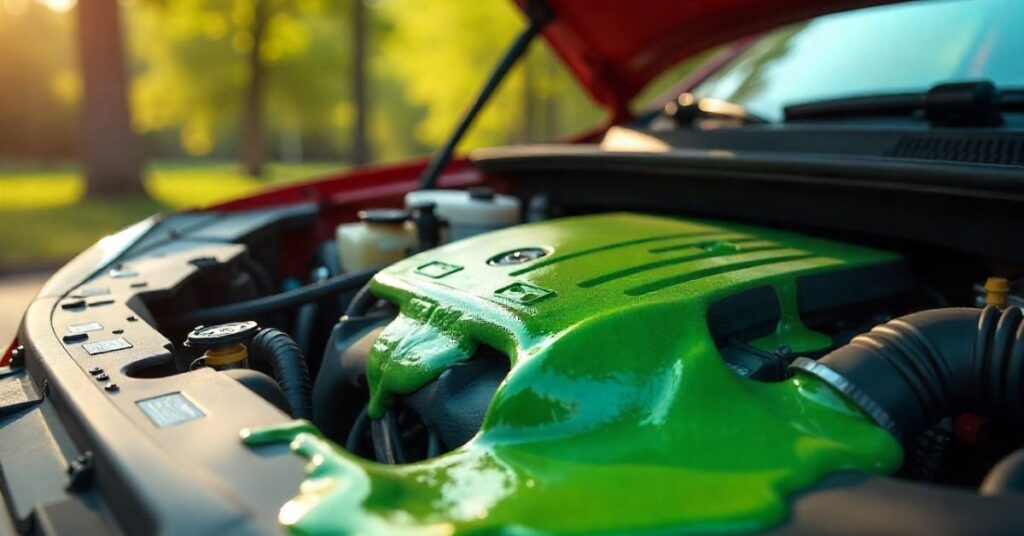
Your car’s engine coolant keeps the engine at the right temperature. It prevents the engine from overheating and also stops it from freezing in cold weather. Mixing coolant the wrong way can harm your engine.
Many car owners think mixing coolants is simple, but it is not always safe. Using the wrong type or mixing without care can cause costly damage. That is why it is important to know the right steps before you add or mix coolant.
In this guide, we will look at the dos and don’ts of mixing engine coolant. You will learn safe practices, common mistakes to avoid, and how to protect your engine for the long run.
What Are the Different Types of Car Coolant?
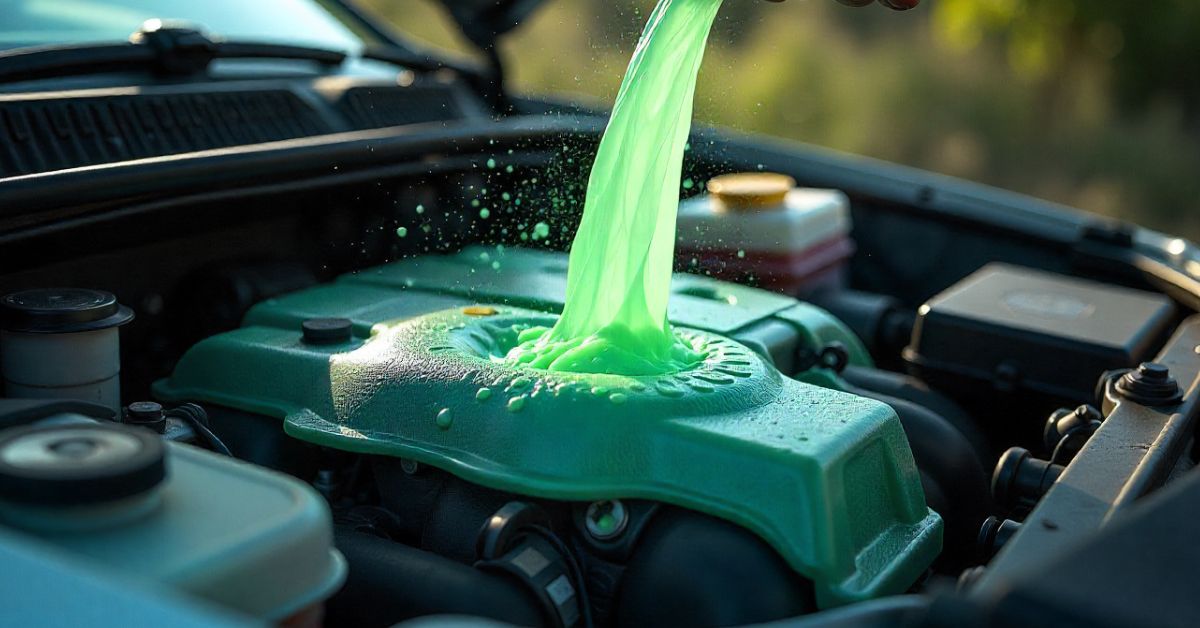
Coolant comes in different types to match different engines. These are IATs, OATs, and HOATs. IAT is the older type, often green in color, and used in older cars. OAT is usually orange or red and is common in modern vehicles. HOAT is a mix of both and comes in yellow or turquoise.
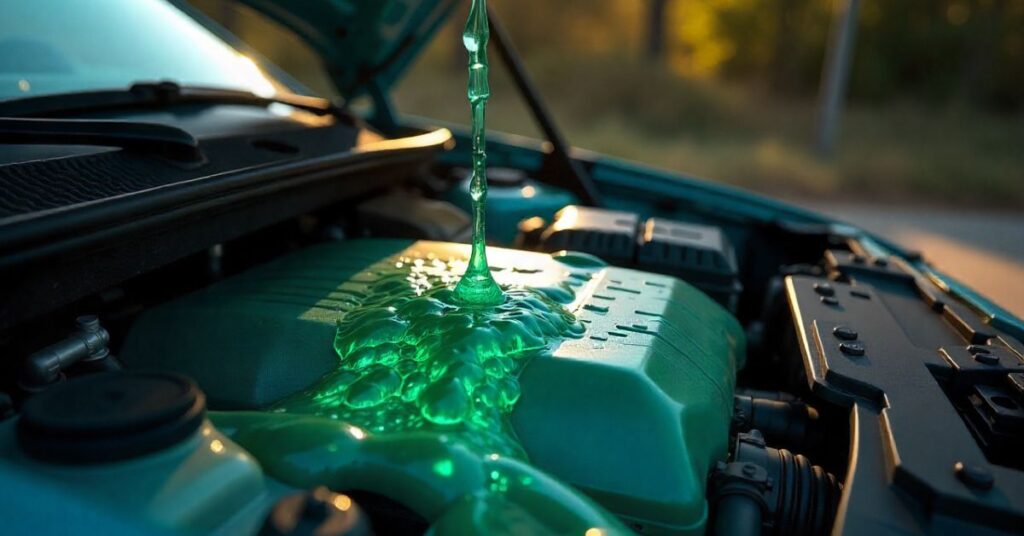
Each type is made for specific engines and car models. Using the wrong one can cause damage over time. Always check your car manual before choosing a coolant. Matching the right coolant keeps your engine safe and running smoothly.
Can You Mix Different Coolants?
Mixing different coolants is not a good idea. Each coolant has its own formula and chemicals. When mixed, they can react badly and lose their strength. This can lead to rust, clogs, or even engine damage.
If you need to top up coolant, always use the same type that is already in your car. If you are unsure, it is better to flush out the old coolant and add fresh one. This keeps your engine safe and avoids costly repairs.
Simple Dos and Don’ts of Coolant Mixing
Mixing coolant looks easy, but it needs care. The right steps protect your engine. The wrong ones can cause damage. Always follow safe practices when handling coolant.
Here are some simple tips:

- ✅ Do use the same type of coolant already in your car.
- ✅ Do check your car manual before adding coolant.
- ❌ Don’t mix different colors or types together.
- ❌ Don’t add only water instead of coolant.
- ❌ Don’t ignore leaks or low coolant levels.
Expert Tips on the Dos and Don’ts of Coolant Mixing
Experts suggest being careful when mixing coolant. Always match the coolant type with your car’s needs. Wrong mixing can damage the radiator, water pump, and engine parts. The best tip is to check the manual before adding anything.
Another important step is to flush the old coolant when changing types. Using fresh coolant prevents clogs and rust. Never rely only on water or mix random coolants. Below is a simple table of expert dos and don’ts to follow.
| ✅ Dos (Safe Practices) | ❌ Don’ts (Avoid Mistakes) |
| Use the coolant type listed in your car manual | Don’t mix different coolant colors or formulas |
| Check coolant level regularly | When the engine is hot, avoid opening the radiator cap |
| Flush old coolant before adding new | Don’t add only water instead of coolant |
| Use a clean funnel or container | Don’t reuse old or dirty coolant |
| Store coolant in a sealed container | Don’t leave coolant open near kids or pets |
| Replace coolant at recommended intervals | Don’t ignore leaks or low levels |
| Buy quality coolant from trusted brands | Don’t top up with unknown or mixed fluids |
| Dispose of old coolant safely | Don’t pour coolant on the ground |
Best Practices for Safe Coolant Use
Using coolant the right way keeps your engine healthy. Always check the coolant level often and top it up when needed. Make sure you use the same type of coolant your car manual recommends. This helps avoid damage to your engine.
Another good practice is to replace old coolant on time. Flush the system before adding new coolant to keep it clean.Open the radiator cap only after the engine has cooled down.Safe habits like these save money and protect your car in the long run.
When to Replace or Flush Coolant
Coolant does not last forever. Over time, it loses its power to protect the engine. Most cars need a coolant change every 2 to 5 years, but it depends on the type and the car model.Always check your car’s manual at the right time.
You should also flush the coolant if it looks dirty, rusty, or has a bad smell. Flushing removes old fluid and dirt from the system. This gives your engine fresh protection and keeps it from overheating or corroding. Regular flushing is a simple way to avoid big repair costs.
Final Advice for Car Owners
Taking care of your car’s coolant is simple but very important. Small mistakes in mixing or topping up can cause big engine problems. Always use the right type of coolant and follow the car manual for guidance.
Here are some final tips to remember:
- ✅ Check coolant levels regularly.
- ✅ Flush and replace coolant on time.
- ✅ Use clean tools and containers.
- ❌ Don’t mix different coolant types.
- ❌ Don’t ignore leaks or warning lights.
Following these steps keeps your engine safe, saves money, and makes your car last longer.
Conclusion
Coolant may look simple, but it plays a big role in keeping your engine safe. Mixing it the wrong way can harm your car and lead to costly repairs. That is why knowing the right dos and don’ts is so important.
By following safe steps, you can avoid mistakes and protect your engine for years. Check your coolant often, replace it on time, and never mix types. Small care today can save you from big problems tomorrow.
FAQS
1. Can I mix different coolant colors?
No, mixing different colors is unsafe. Always use the same type your car manual recommends.
2. How often should I change coolant?
Most cars need a change every 2–5 years, but check your car manual for exact timing.
3. What happens if I mix coolant wrong?
It can cause clogs, rust, overheating, and engine damage.
4. Can I use only water instead of coolant?
No, water alone cannot protect the engine from heat or rust.
5. How do I know if coolant needs flushing?
If it looks dirty, rusty, or smells bad, it is time to flush and replace it.
Noah Theo is the World Best Article Writter. Top Ranked Articles, Informative Articles, Unique Content Articles. All Articles are Written by Noah Theo..