Introduction
Old engines need extra care. Engine oil keeps the moving parts smooth. By reducing wear and tear, it protects the engine.
As engines age, they lose power and efficiency. The right oil can bring back smooth performance. By using it, you can extend the life and feel of your engine.
In this guide, we will explore the best engine oils for old engines. You will learn how they work, why they matter, and how to choose the right one for your vehicle.
Why Old Engines Need Special Oil
Old engines have more wear inside. There may be some loosening of the parts. This can cause more friction and heat. Special oil is made to protect these older parts. It is thicker and can seal small gaps. This helps the engine run smoothly.
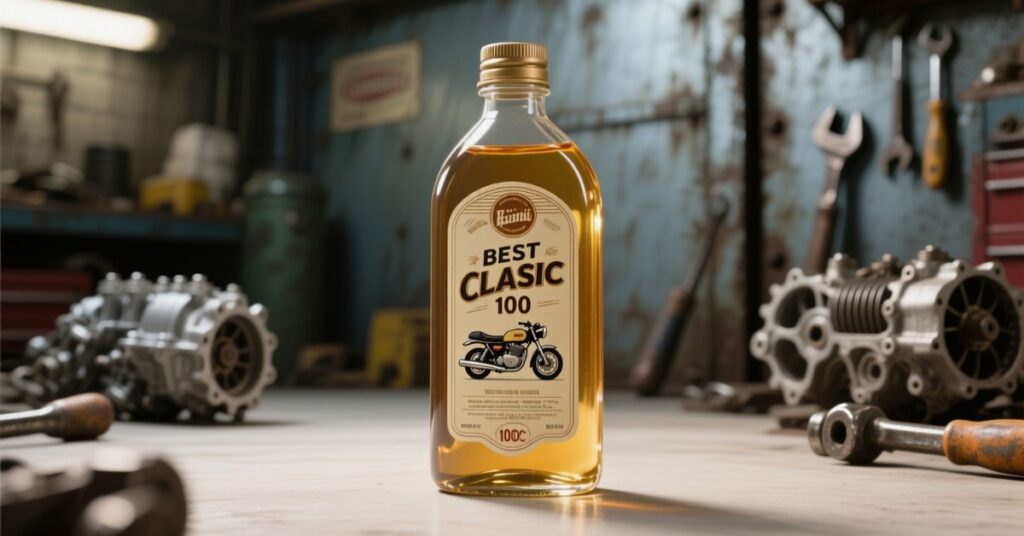
As engines age, they may burn more oil. Special oil can reduce this problem. It also cleans up old buildup inside the engine. This keeps the parts moving freely. Using the right oil can help an old engine last longer and run better.
Top Engine Oils for Old Vehicles
Old vehicles need strong and reliable oil. High-mileage oil is a good choice because it protects worn engine parts. They also help reduce leaks and oil consumption. Thicker oils like 10W-40 or 20W-50 can give better protection in older engines.
Brands like Castrol, Valvoline, and Mobil offer good options for old vehicles. Look for oils with cleaning additives to remove sludge. Always choose the oil grade your car manufacturer recommends for the best performance and engine life.
Signs You Need Better Oil for Your Old Engine
An old engine shows clear signs when its oil isn’t doing the job. You may hear more engine noise. The car might feel less smooth to drive. Oil may disappear faster than it used to. These signs mean your engine needs better oil.
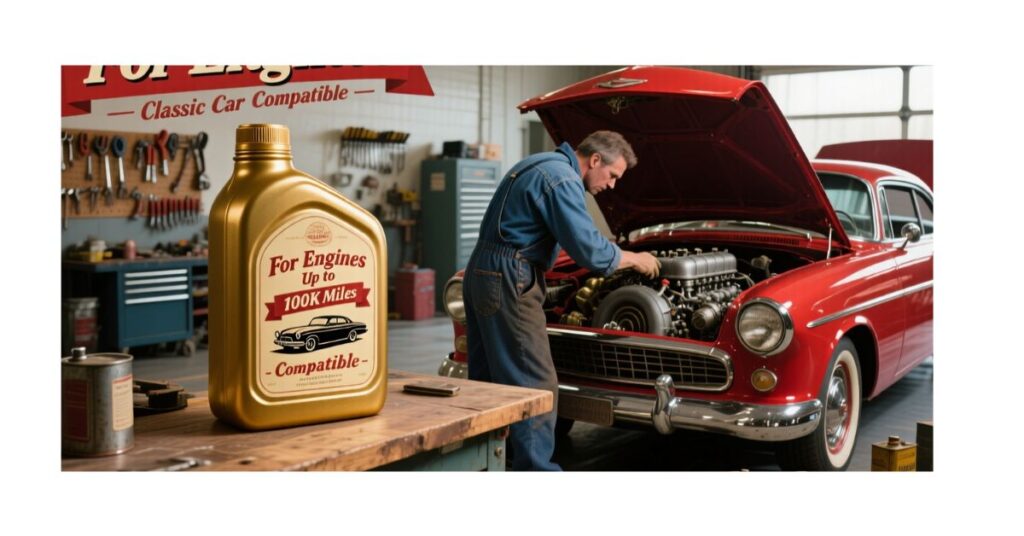
Look for these common symptoms:
- Engine makes ticking or knocking sounds.
- Oil level drops quickly between changes.
- Dark or dirty oil soon after a change.
- More smoke from the exhaust than usual.
- Engine feels weaker or overheats easily.
Benefits of Using the Right Oil in Old Motors
The right oil keeps old motors healthy. It helps reduce friction and wear inside. It also keeps the engine clean by stopping dirt build-up. With the right oil, the motor can run smoother and last longer.
Old engines often have leaks or burn more oil. The right oil can slow this problem. It gives extra protection to worn parts. It also improves performance and saves repair costs. Using the right oil means fewer troubles on the road.
| Benefit | How It Helps Old Motors |
| Reduces Wear and Tear | Protects old engine parts from grinding and damage |
| Keeps Parts Moving Smoothly | Maintains proper lubrication for better operation |
| Protects Against Heat | Prevents overheating and engine breakdown |
| Seals Small Gaps | Fills gaps in worn-out components to reduce leaks |
| Reduces Oil Burning | Cuts down on oil loss in high-mileage engines |
| Cleans Engine Internals | Removes sludge and deposits for smoother running |
| Improves Performance | Restores some lost power and fuel efficiency |
| Keeps Engine Quiet | Reduces knocking, ticking, and rattling noises |
Best Engine Oil for Old Vehicles in Hot Weather
Hot weather can be tough on old engines. High temperatures make the oil thinner. This can reduce protection for worn engine parts. The best oil for hot weather is thicker and designed to handle heat. It stays stable and keeps your engine safe.
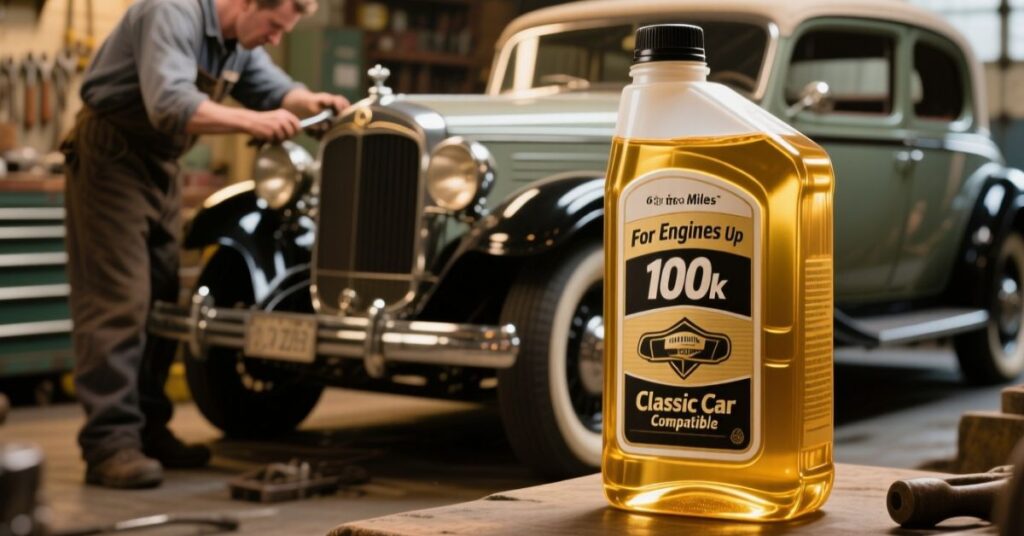
For old vehicles, high-viscosity oils like 20W-50 or 15W-40 are good choices in hot climates. They keep the engine parts well-lubricated even in extreme heat. Using the right oil can prevent overheating, reduce wear, and help your old vehicle run smoothly all summer.
Best Engine Oil for Old Vehicles in Cold Weather
Cold weather makes oil thicker. Thick oil moves slowly and takes time to protect the engine. Old engines need oil that flows quickly in the cold. This helps prevent wear during cold starts.
Here are some tips for cold weather oil choice:
- Use low-viscosity oil like 5W-30 or 0W-40.
- Pick synthetic oil for faster flow in freezing temperatures.
- Choose oil with anti-wear additives for extra protection.
- Change oil before winter to keep it clean and smooth.
- Warm up the engine gently before driving.
Common Mistakes When Oiling Old Engines
Many people make small mistakes that can harm an old engine.Oil types are often used incorrectly.Some use oil that is too thin, which cannot protect worn parts. Others use oil that is too thick, making it hard for the engine to run smoothly.
Another mistake is skipping oil changes. Old engines collect dirt and sludge faster. Oil changes can damage engine parts if they are delayed. Overfilling the oil is also risky, as it can create pressure and leaks. Choosing the right oil and keeping it fresh is the key to a healthy old engine.
How to Choose the Best Oil for Old Engines
Start by checking your car manual. It will tell you the oil grade your engine needs. Older engines often work better with thicker oil. This helps fill small gaps and protect worn parts.
Look for high-mileage oils with special additives. They reduce leaks and clean the engine. Choose between synthetic, semi-synthetic, or mineral oil based on your budget. Always pick a trusted brand to keep your old engine healthy.
Conclusion
A good engine oil can make a big difference for an old engine. It keeps the parts safe from wear. It helps the engine run smoother and last longer. The right oil can even bring back some lost performance.
Caring for an old engine is not hard if you use the right oil and change it on time. Choose wisely, follow your car’s needs, and your engine will reward you with more reliable miles.
FAQs
1. What type of oil is best for old engines?
High-mileage or thicker oils like 10W-40 or 20W-50 are often best, as they protect worn parts.
2. Can synthetic oil be used in old engines?
Yes, but choose a synthetic oil made for high-mileage engines to avoid leaks.
3. How often should I change oil in an old engine?
Every 3,000–5,000 miles, or as recommended by your car’s manual.
4. Does the right oil improve old engine performance?
Yes, it can reduce friction, seal gaps, and restore smoother running.
5. What happens if I use the wrong oil in an old engine?
It can cause poor lubrication, more wear, and even engine damage over time.
Noah Theo is the World Best Article Writter. Top Ranked Articles, Informative Articles, Unique Content Articles. All Articles are Written by Noah Theo..