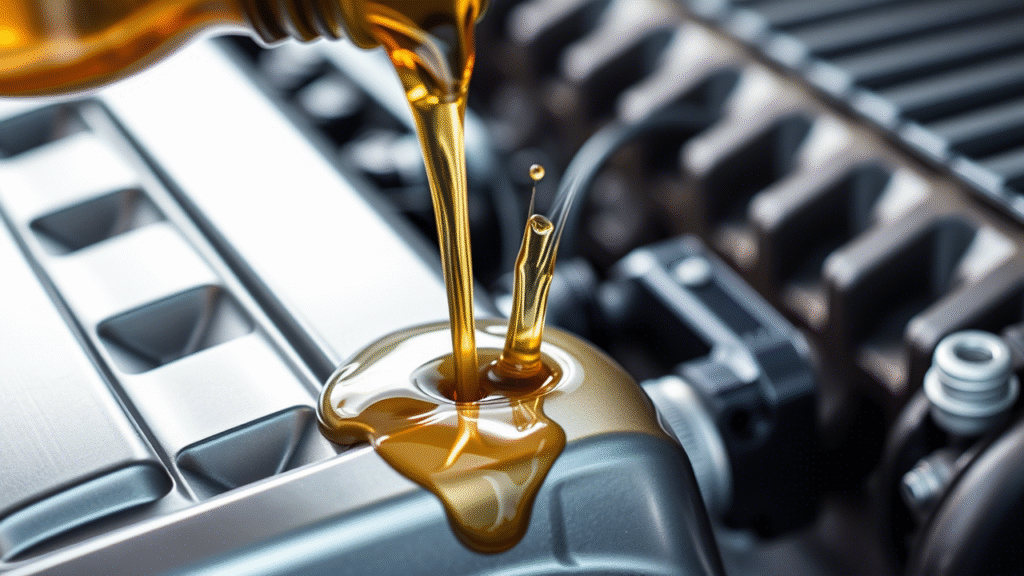
Every car relies on oil to keep its heart and the engine running smoothly. But the hidden factor that affects this flow is temperature. When the oil gets too cold, it thickens and moves slowly. When it gets too hot, it thins out and loses its protective power. Understanding how heat and cold change oil behavior helps drivers prevent damage, improve performance, and extend engine life.
Knowing this connection doesn’t require technical knowledge. It’s about balancing keeping oil temperature in the safe zone where it flows freely but stays strong enough to protect every part. Let’s explore the ideal temperature range, best oil grades, and simple ways to keep your car’s oil healthy all year round.
Why Temperature Affects Oil Performance
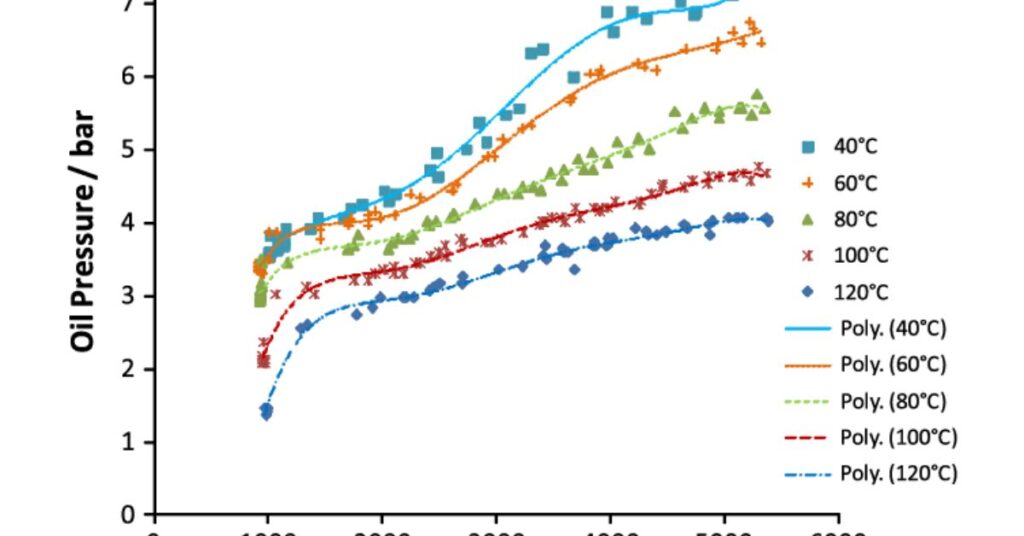
Temperature directly controls how oil behaves inside the engine. When the weather is cold, the oil thickens and struggles to circulate through tight spaces. This means the engine takes longer to receive lubrication, increasing wear during start-up.
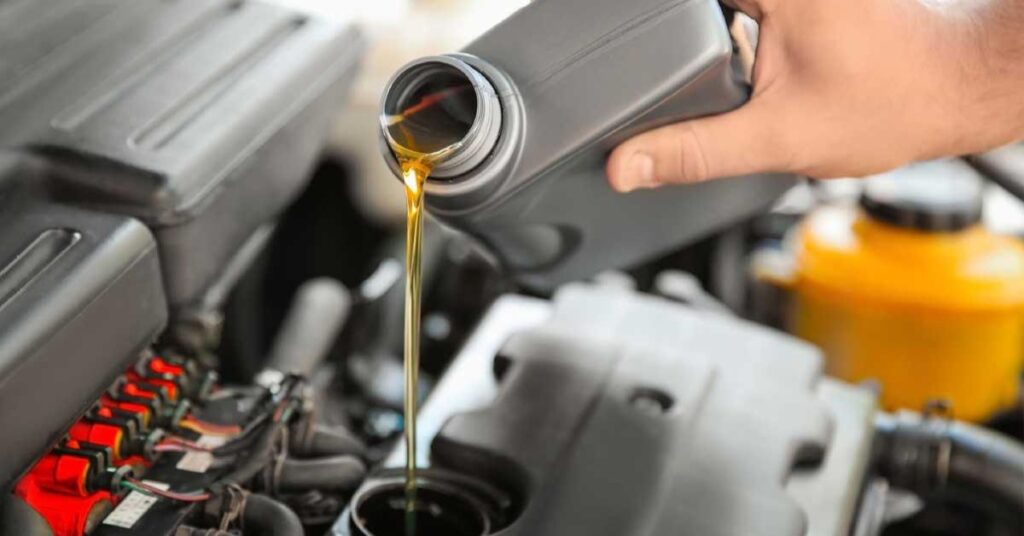
On the other hand, when temperatures climb, oil thins out. Thin oil fails to coat parts properly, leading to metal friction and overheating. Keeping oil within the correct temperature range ensures the right flow, smooth performance, and less stress on moving parts.
The Ideal Oil Temperature Range for Cars
Most engines perform best when oil temperatures stay between 190°F and 220°F (88°C to 104°C). This range keeps the oil strong enough to protect, yet light enough to flow easily.
Below 180°F, oil may not burn off moisture or fuel properly, creating sludge inside the engine. Above 230°F, it begins to lose viscosity and may oxidize. Maintaining this balance prevents thick buildup, improves fuel efficiency, and keeps your engine lasting longer.
Understanding Oil Viscosity and Grades
Oil viscosity means how thick or thin the oil is. A lighter oil flows faster at lower temperatures, while thicker oil stays strong under heat. That’s why every oil type is labeled with a grade like 5W-30 or 10W-40.
The “W” stands for winter. The number before it tells how the oil behaves in cold weather. The number after it shows how it performs in heat. For example, 5W-30 oil flows easily when it’s cold and remains stable in warm weather ideal for most climates.
The Combined Guide: Oil Grades, Temperature, and Performance
| Oil Grade | Recommended Temperature Range (°F) | Viscosity Behavior | Best Climate Use | Engine Performance Effect | Maintenance Tip |
| 0W-20 | 180–210 | Very thin at heat, quick flow in cold | Freezing regions | Smooth starts, light fuel use | Use synthetic type for stable flow |
| 5W-30 | 190–220 | Balanced thickness across weather | Mild climates | Consistent power, clean running | Replace every 6,000 miles |
| 10W-40 | 200–230 | Slightly thicker, high heat resistance | Warm areas | Prevents wear in long trips | Check pressure after long drives |
| 15W-50 | 210–250 | Stays stable under heavy load | Hot or dry regions | Ideal for towing, racing, or off-road | Monitor fan and coolant regularly |
| 5W-40 | 190–240 | Adapts easily to changing heat levels | Variable climates | Smooth idle, good mileage | Great for synthetic blends |
| 20W-50 | 230–260 | Very thick at cold, strong at heat | Tropical or desert zones | Guards engine under extreme stress | Change oil sooner in summer |
This single table combines all vital details: how oil reacts to temperature, its ideal environment, and what you should do to keep your engine healthy. Selecting the correct oil grade for your region keeps temperature stable, pressure balanced, and performance strong.
Effects of Cold Weather on Oil Flow
Cold conditions make oil stiff, especially overnight. Thick oil moves slowly, forcing the engine to work harder during ignition. This is why winter mornings can feel heavy on your car’s battery and starter.

To help your engine, use oils with lower winter grades like 0W or 5W, and let the car idle for a minute before driving. Synthetic oils flow faster in cold weather, giving instant lubrication to vital parts and reducing early wear.
How High Temperatures Affect Oil Strength
When your engine faces high heat, oil becomes thinner and loses viscosity. This leads to weaker lubrication and metal contact inside the system. Over time, this can cause burning smells, power loss, or visible smoke.
In hot regions or during long drives, proper cooling is essential. Make sure your radiator is clean, fans are working, and coolant levels are normal. These steps stop oil from overheating and maintain steady performance.
Common Signs of Temperature-Related Oil Issues
When oil fails to handle heat or cold properly, your car shows warning signs. Spotting them early helps you act before damage begins.
- The oil warning light turns on or flickers while driving.
- The engine sounds rough, especially at start-up or idling.
- You notice a burnt odor or blue smoke after long trips.
If any of these appear, check the oil level, look for leaks, and inspect the color. Dark, gritty oil or a low level means it’s time for a change.
Quick Tips to Keep Oil Temperature Stable
These simple steps protect your engine and keep oil working efficiently in any season:
- Check your oil level every two weeks when the engine is slightly warm.
- Replace the oil filter during each oil change to keep flow consistent.
- Avoid idling for long periods in hot conditions; it traps unnecessary heat.
These habits take little time but save your engine from serious wear and heat buildup.
Role of Synthetic Oils in Temperature Control
Synthetic oils outperform regular oils when handling extreme heat or cold. Their molecules are more uniform, so they don’t break down easily. In freezing weather, they flow instantly; in summer, they resist thinning.
This makes them perfect for drivers who live in areas with seasonal changes. Even though synthetic oil costs a bit more, it extends the engine’s life, improves mileage, and reduces long-term repair expenses.
How to Monitor Oil Temperature
Most new vehicles include digital gauges that display oil temperature. Older cars may need an aftermarket gauge. Monitoring temperature helps detect early problems like poor cooling or clogged filters.

If your oil temperature consistently crosses 230°F, it means the oil is losing strength. Check for cooling issues, clean the radiator, and make sure you’re using the right viscosity for your environment.
Mistakes to Avoid with Oil and Heat
Many drivers ignore oil maintenance, thinking it only needs attention once a year. However, using the wrong grade or delaying changes affects temperature balance. Thicker oil in cold weather slows the flow, while thinner oil in summer reduces protection.
Always follow your vehicle manufacturer’s guide. Track your oil changes and choose products that match your local climate. Avoid mixing oil types and never overfill both can disturb the temperature balance inside the engine.
How Often to Change Oil for Temperature Stability
Oil doesn’t last forever. Its protective properties weaken with heat and time. In normal driving conditions, changing oil every 5,000 to 7,000 miles maintains the right temperature control.
If you drive in heavy traffic, tow loads, or face extreme weather, shorten this to 4,000 miles. Old oil loses its ability to cool and lubricate properly, leading to overheating. Regular oil changes keep temperature balanced and performance strong.
Conclusion
Oil and temperature work hand in hand to keep your car healthy. The right oil grade, steady temperature range, and consistent maintenance make your vehicle reliable for years. By watching the signs, choosing proper viscosity, and following simple habits, you protect your engine from both heat and cold.
Understanding this connection turns every driver into a smart caretaker. When oil flows smoothly at the right temperature, your car runs cleaner, faster, and longer, proving that small details make the biggest difference in performance.
FAQs
1. What is the ideal engine oil temperature?
Between 190°F and 220°F (88°C–104°C) for smooth flow and engine protection.
2. How does cold weather affect engine oil?
Cold oil thickens, slowing circulation and increasing engine wear at startup.
3. Can high temperatures damage engine oil?
Yes, heat thins oil, reduces lubrication, and may cause sludge formation.
4. Which oil grades work best in hot and cold climates?
0W-20 or 5W-30 for cold; 10W-40, 15W-50, or 20W-50 for hot regions.
5. How often should I change oil for proper temperature control?
Every 5,000–7,000 miles, or 4,000 miles in extreme heat or heavy traffic.
Noah Theo is the World Best Article Writter. Top Ranked Articles, Informative Articles, Unique Content Articles. All Articles are Written by Noah Theo..