Maintaining engine oil is one of the easiest and most effective ways to keep a car running smoothly. Many car owners wonder whether to check engine oil when the engine is warm or cold.
The correct method ensures an accurate reading, prevents engine damage, and helps extend the life of your vehicle. This guide explains everything in simple terms so that even beginners can follow easily.
Engine oil lubricates the moving parts, reduces friction, and prevents overheating.Without proper oil maintenance, an engine may wear out faster or fail completely. Checking oil correctly is a habit every driver should adopt.
Why Engine Oil Level Matters
Engine oil plays a critical role in keeping your engine healthy. It prevents metal parts from grinding against each other and reduces heat caused by friction. Low or dirty oil can lead to poor engine performance, higher fuel consumption, and expensive repairs.
Regularly monitoring oil levels ensures the engine operates efficiently. Even small mistakes in checking oil can cause long-term damage. Accurate readings protect your car and maintain smooth performance.
The Best Time to Check Engine Oil: Warm or Cold
Most mechanics recommend checking oil when the engine is warm but has rested for 5-10 minutes. After driving, oil circulates throughout the engine. Checking immediately after driving or when the engine is completely cold may give misleading levels.
Warm oil flows evenly across engine components, giving a more accurate reading. Waiting a few minutes after stopping allows the oil to settle back into the oil pan, preventing false measurements.
Step-by-Step Oil Checking Process
Following a proper method makes oil checking simple and precise.
- Park your car on a flat and level surface to ensure an accurate reading.
- Turn off the engine and wait 5-10 minutes for oil to settle.
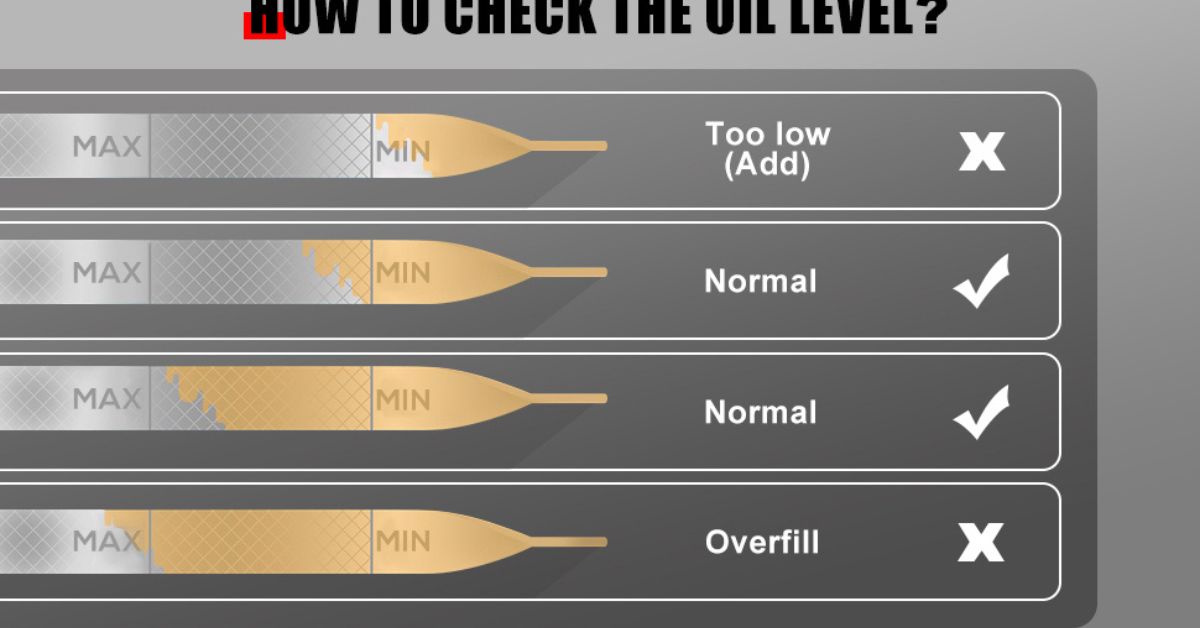
- Pull out the dipstick, wipe it clean, reinsert fully, and remove again.
- Check that the oil falls between the “Min” and “Max” marks.
- Observe oil color and consistency; dark or gritty oil signals replacement.
Three essential tips:
- Always use the dipstick recommended by the car manufacturer.
- Check oil at the same time of day for consistent results.
- Keep a log of oil checks to track trends and spot issues early.
Warm vs Cold Oil Checking
| Feature | Checking When Warm | Checking When Cold | Best Practice |
| Accuracy | High – oil flows evenly for true reading | Lower – oil may stick to engine parts | Warm after 5-10 min rest |
| Ease of Measurement | Easy – oil spreads across engine | Slightly difficult – oil may settle uneven | Always on a level surface |
| Engine Safety | Safe if engine is cool to touch | Safe, but may underestimate level | Avoid checking immediately after long drive |
| Dipstick Reading | Accurate Min-Max reading | Slightly misleading reading | Follow manufacturer instructions |
| Oil Condition Observation | Easier to see particles or sludge | Harder to inspect oil color | Check after short warm-up |
| Common Mistakes Avoided | Overfill or underfill detected | Wrong low-level reading | Wait a few minutes after engine stops |
This table summarizes the benefits and risks of both methods. Warm checks generally provide a clearer picture of engine health.
Tips for Accurate Measurement
Accurate oil measurement avoids common mistakes. Always check on a flat surface. Uneven ground can give incorrect readings. Ensure the dipstick is fully inserted and remove it properly for a reliable level check.
Check oil regularly, at least once a month. Keeping a log helps track oil consumption and detect leaks early. Consistent monitoring prevents major engine problems and improves efficiency.
Common Mistakes to Avoid
Drivers often make simple errors during oil checks. First, checking on a slope can give a false reading. Second, using the wrong oil type may reduce engine efficiency. Third, ignoring the color or smell of oil can hide serious problems.
Avoid overfilling or underfilling oil, as too much can foam and reduce lubrication, while too little increases friction and heat. Awareness of these mistakes keeps your engine safe and reliable.
Three key points to remember:
- Always wait a few minutes after driving before checking.
- Inspect oil color and consistency every time.
- Maintain a regular log of oil levels and changes.
Effects of Temperature on Oil Accuracy
Temperature affects oil thickness and flow. Warm oil is thinner and spreads easily, showing a true level in the dipstick. Cold oil is thicker and may cling to engine parts, producing a lower reading than actual.
For most engines, measuring warm but rested oil ensures accurate readings. This simple practice prevents overfilling or underfilling, which can damage engine parts and reduce performance.
How to Know if Oil is Dirty
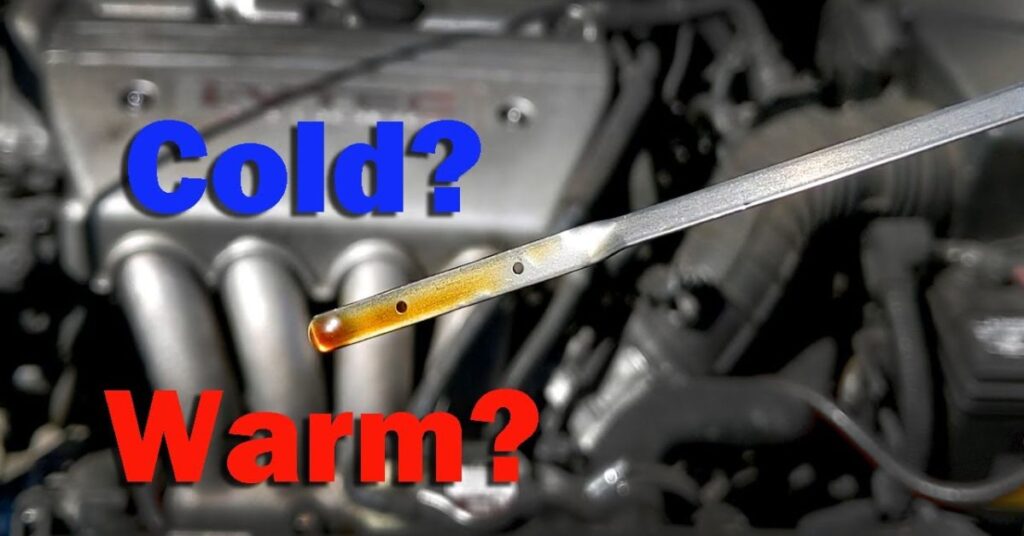
Dirty oil reduces lubrication and can harm engine components. Healthy oil is amber or light brown and smooth. Oil that looks black, gritty, or smells burnt must be replaced.
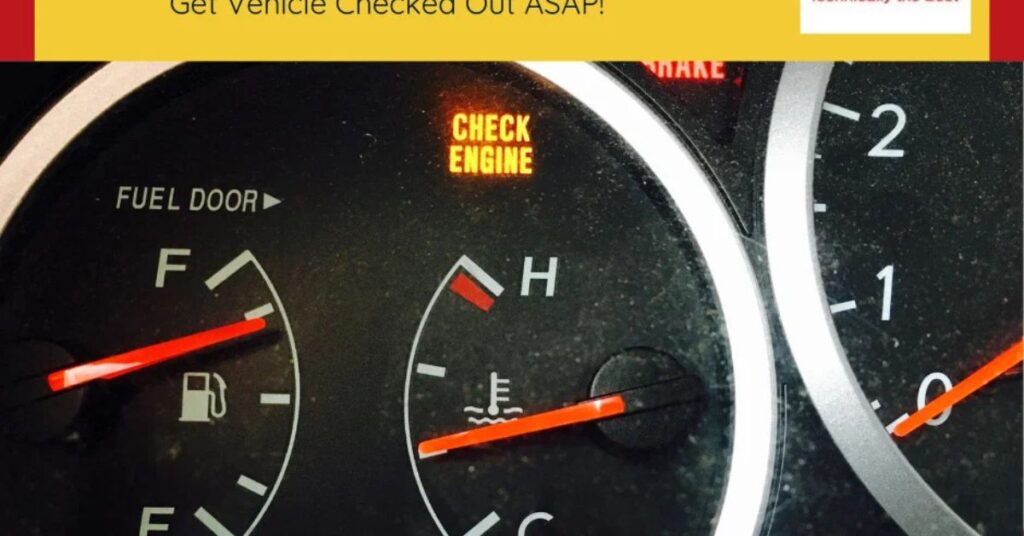
Checking oil while warm makes these signs easier to spot. Warm oil flows more freely, showing sludge, particles, or discoloration that cold oil might hide. Timely replacement keeps engines running smoothly
Signs Your Engine Needs Immediate Attention
Ignoring oil problems can cause serious damage. Watch for these warning signs:
- Loud engine knocking or unusual noise.
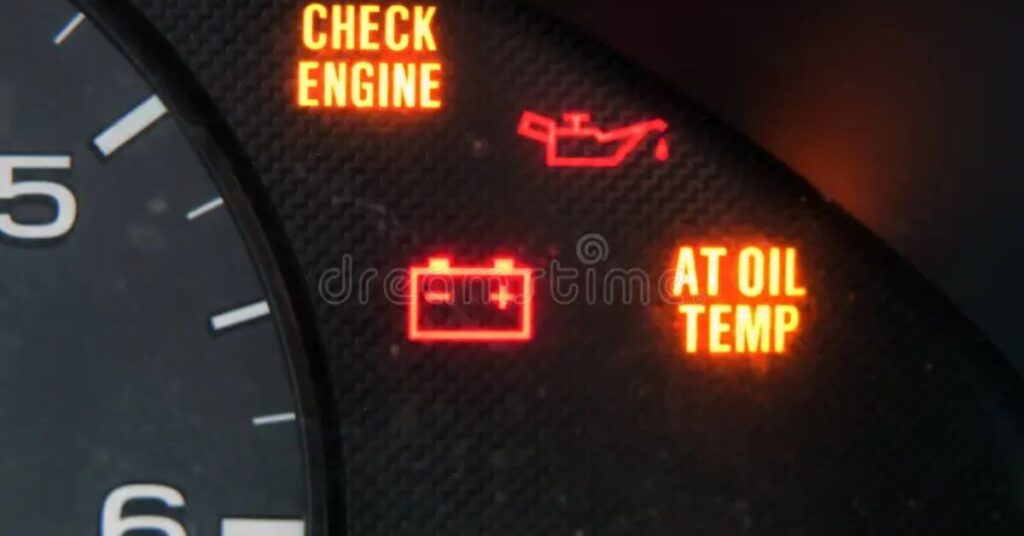
- Oil warning light on the dashboard.
- Excessive smoke from the exhaust.
Responding quickly prevents long-term damage. Regular monitoring ensures early detection, saving money and avoiding engine failure.
Choosing the Right Oil Type
Using the correct oil type improves both performance and measurement accuracy. Engines require specific grades such as 5W-30, 10W-40, or others. Always consult your vehicle manual for the recommended type.
High-quality oil reduces friction, improves fuel efficiency, and prolongs engine life. Using the wrong oil can cause inaccurate readings and engine problems. Warm checks show whether the oil suits your engine type.
Tools Needed for Proper Oil Checking
You don’t need complex tools to check oil, but having the right items makes the process easier. Essential tools include:
- Clean rags or paper towels to wipe the dipstick.
- A flashlight to inspect oil color and level clearly.
- A funnel if topping up oil is needed.
Extra tools like an oil catch pan or digital dipstick readers are optional but useful for advanced monitoring. Regular checks with basic tools prevent serious engine damage.
Common Misconceptions About Oil Checking
Some drivers believe that checking oil immediately after starting the car is fine, or that cold readings are always accurate. Both are incorrect. Oil must circulate first, then settle to show the correct level.
Another misconception is that old cars do not need frequent checks. Every vehicle benefits from regular monitoring to detect leaks, oil consumption, or engine wear. Proper technique ensures your engine remains safe and efficient.
Expert Tips for Better Engine Health
Mechanics recommend the following for optimal oil maintenance:
- Always check oil on a flat surface after 5-10 minutes of rest.
- Inspect oil color, smell, and consistency regularly.
- Maintain a record of oil changes and levels.
- Replace oil filters according to manufacturer schedules.
Following these tips can prevent engine failure, improve fuel efficiency, and extend the life of your vehicle.
Oil Change Timing and Frequency
Checking oil frequently is important, but knowing when to change it is critical. Oil should be replaced based on mileage, manufacturer guidelines, or visible signs of contamination.
Warm oil checks help identify when it is time for a change. If oil appears dark, gritty, or smells burnt, replace it immediately. Proper timing prevents engine wear and costly repairs.
Conclusion
Checking engine oil may seem simple, but doing it correctly makes a huge difference. Measuring warm oil after a few minutes of rest ensures accuracy. Avoid common mistakes, monitor oil condition, and follow the right steps for long-lasting engine health.
Regular checks, careful observation, and timely oil changes keep your engine running smoothly. With this routine, your car stays reliable and performs efficiently for years.
FAQs
1.Can I check oil immediately after driving?
Wait 5–10 minutes; hot oil gives false readings.
2.Is checking oil when cold okay?
Yes, but warm oil shows true levels and conditions.
3.How often should I check oil?
At least monthly or before long trips.
4.What color should healthy oil be?
Light brown or amber; dark indicates replacement needed.
5.Can overfilling oil damage the engine?
Yes, it can cause foaming and poor lubrication.
Noah Theo is the World Best Article Writter. Top Ranked Articles, Informative Articles, Unique Content Articles. All Articles are Written by Noah Theo..