Driving through snow and sleet is one of the hardest tasks a driver faces in winter. The roads get slippery, the air turns cold, and visibility drops quickly. Every car part, especially the engine works harder in these freezing conditions.
If your engine is not ready for the weather, small issues can grow into big problems fast. That’s why it’s important to understand how winter affects your vehicle before heading out.
The snow patrol 7 tips driving snow sleet guide gives you the simplest ways to prepare your car for cold, snowy trips. These steps protect your engine, tires, battery, and fluids so your car stays strong on icy roads.
You don’t need special tools or deep knowledge to follow them, just a bit of care and time. Whether you drive daily to work or only take short winter rides, this guide helps you travel safely, save fuel, and avoid costly repairs. Read on and make your car winter-ready with confidence.
Snow Patrol 7 Tips Driving Snow Sleet:Quick overview
This guide lists the most important engine and driving tips for snow and sleet. I organized the tips so you can check them fast before a trip.
Follow these steps and check items often. The aim is to reduce breakdowns and keep you safe on cold roads.
Plan your route and timing
Choose main roads that local crews clear first. Major roads usually get grit and snow removal sooner than small side streets.
Avoid rush hours and known trouble spots if you can. Slow traffic and sudden stops raise engine load and fuel use.
Clear your vehicle completely
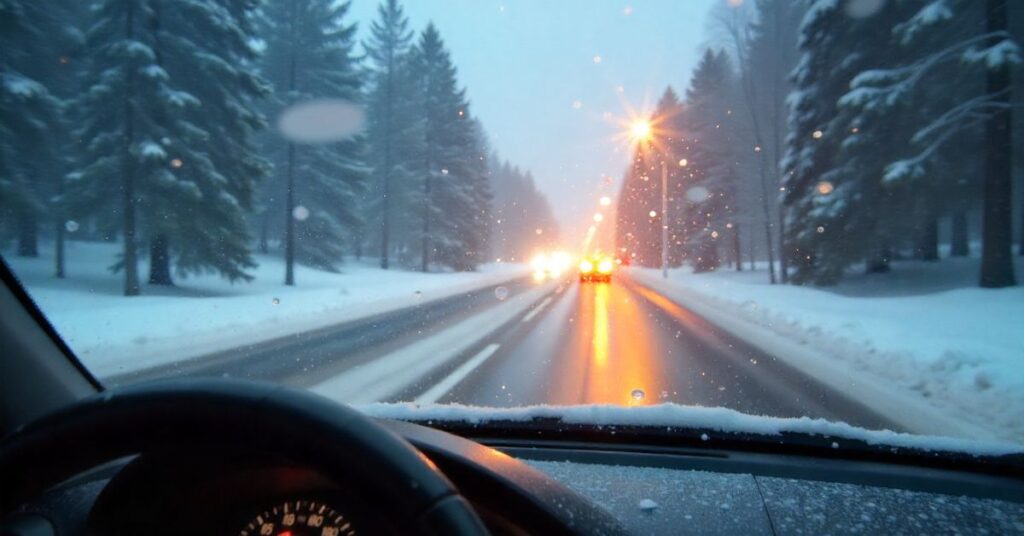
Clear snow from the windshield, windows, mirrors, lights and roof. Snow on the roof can slide forward and block your view or hit cars behind you.
Use a proper scraper and brush. Never pour hot water on glass; it can crack the windshield and damage seals.
Check fluids and engine oil
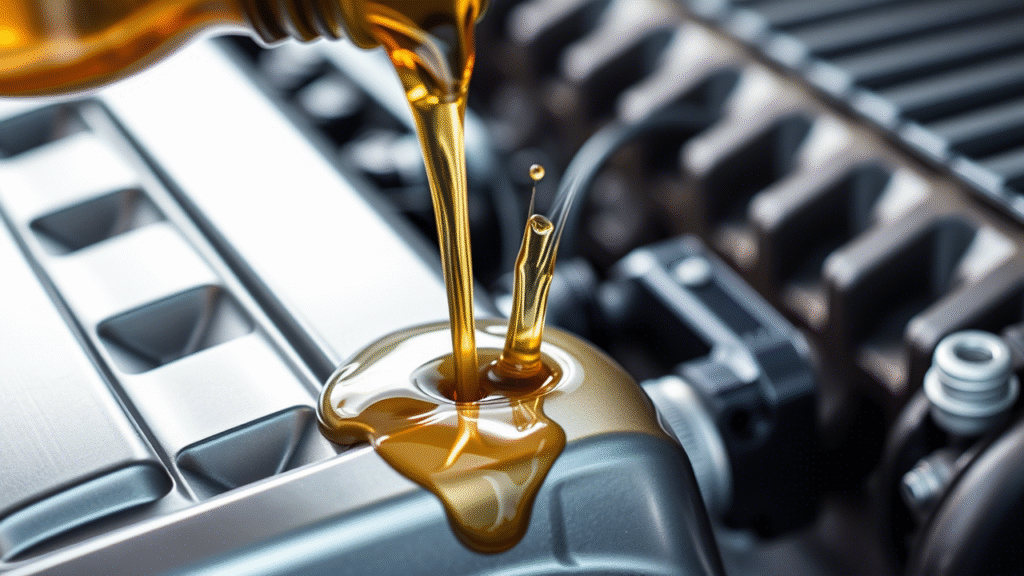
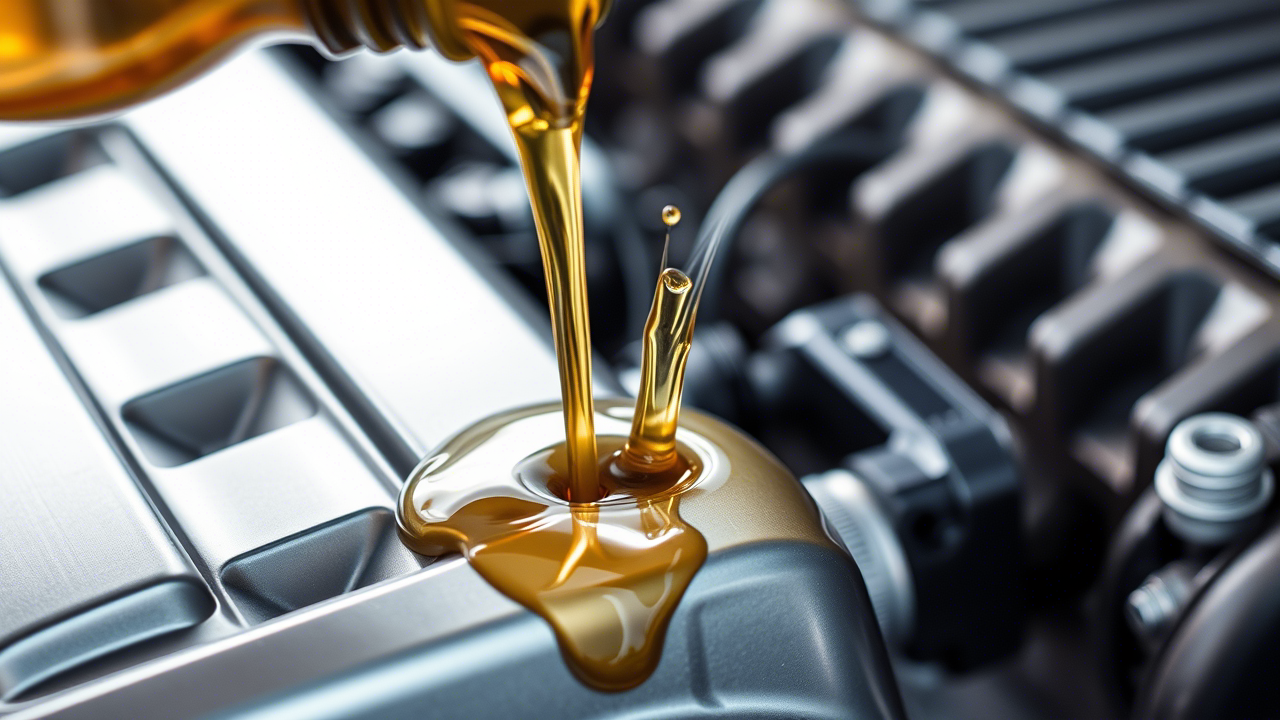
Use winter-grade oil when temperatures drop so oil moves fast at start. Check coolant level and use a proper antifreeze mix to prevent freezing.
Fill windshield washer fluid with winter formula. Clear fluid and coolant protect the engine and help visibility in sleet.
Inspect battery, belts and hoses
Cold reduces battery power and stresses belts. Test the battery if it grows old and replace worn belts and cracked hoses.
A strong battery and healthy belts keep the starter and alternator working when you need them most in freezing weather.
Tires, pressure and traction
Check tire tread and pressure before any winter trip. Lower temperatures reduce tire pressure and poor tread cuts grip on snow and ice.
If you expect heavy snow, use winter tires or chains where legal and needed. Proper tires shorten stopping distance and help the engine work with less strain.
Fuel level and fuel line care
Keep the fuel tank at least half full. This lowers the chance of condensation forming in the tank and freezing the fuel lines.
If you run low, your heater and defroster may stop if the engine stalls. A full tank also gives you buffer time in delays.
Driving technique and engine care
Drive slowly and smoothly. Apply power and brakes gently to avoid wheel spin and sudden engine load.
When starting on slippery surfaces, pull away in a higher gear if safe. Use cruise control only when roads stay dry and clear.
Emergency kit and survival items
Carry a winter kit: warm blanket, water, food, flashlight, phone charger, spade, warm clothes, high-vis vest and basic tools. Include a portable jump starter and tow rope.
Add engine items: spare coolant, engine oil, and a small fuel can if local laws allow. This helps you fix minor issues and stay warm until help arrives.
When to warm the engine and when to drive off
Let the engine run for a short time before driving so oil flows to bearings. You do not have to idle for long; modern engines warm faster when driven gently.
Start driving slowly and let the engine reach normal temperature under light load. Heavy revving does not help and can harm the engine.
Winter Car Care Checklist
Below is a detailed checklist you can use to inspect and prepare your car. Check each item before long trips and top up, repair, or replace as needed.
| Item | Why it matters | How often to check | What to do if problem found | DIY tip |
| Engine oil (winter-grade) | Flows at low temp, protects engine | Monthly in winter | Change oil or top up | Use oil with correct SAE rating for cold temps |
| Coolant / antifreeze | Prevents freezing, avoids overheating | Before winter + monthly | Flush and refill to spec | Use 50/50 mix unless manual says otherwise |
| Battery | Cold weakens battery | Twice a winter | Replace if weak | Clean terminals and secure connections |
| Belts and hoses | Rubber cracks in cold | Pre-winter inspection | Replace cracked/worn parts | Check for soft spots or leaks |
| Tires (tread & pressure) | Grip and stopping power | Weekly in cold weather | Replace worn tires | Keep small pressure gauge in car |
| Winter tires or chains | Improved traction in snow | Seasonal install | Fit winter tires or chains | Store winter tires properly off-season |
| Windshield wipers | Keep view clear | Monthly | Replace smear or tear | Use winter blades if heavy snow |
| Washer fluid (de-icer) | Melts ice on glass | Before winter | Refill with winter formula | Keep extra bottle in trunk |
| Lights | Visibility and safety | Weekly | Replace failing bulbs | Clean lenses for max brightness |
| Fuel level | Prevent line freeze | Before trips | Fill tank to half or more | Top up before long waits in traffic |
| Exhaust pipe | Blocked pipe causes CO risk | Before trip in snow | Clear snow and ice | Use brush to clear snow around tailpipe |
| Emergency kit | Keeps you safe in delay | Check seasonally | Replenish used items | Pack compact items in a bag |
| Jump starter | Start dead battery safely | Monthly charge check | Replace if fails | Keep it charged and accessible |
| Tow rope & shovel | For getting unstuck | Seasonally | Repair or replace | Practice using rope safely |
| Engine oil filter | Keeps oil clean | At oil change | Replace with oil service | Use OEM or equivalent filter |
| Heater & defroster | Clear glass and warm cabin | Monthly check | Repair if low heat | Check heater hoses for leaks |
| Brake system | Safety and stopping | Annually + warning signs | Service immediately | Listen for noise when braking |
| Spark plugs (gas cars) | Smooth idle, starts | As per service schedule | Replace worn plugs | Use correct gap and type |
| Air filter | Engine breathes clean air | Twice a year | Replace if dirty | Replacing often improves MPG |
| Transmission fluid | Smooth shifting | Check manual | Replace per schedule | Low fluid can overheat transmission |
Simple tips if you get stuck
If you stall on snow, stay with the car and call for help if you can. Run the engine only enough to stay warm, and clear the exhaust pipe so fumes cannot enter the cabin.
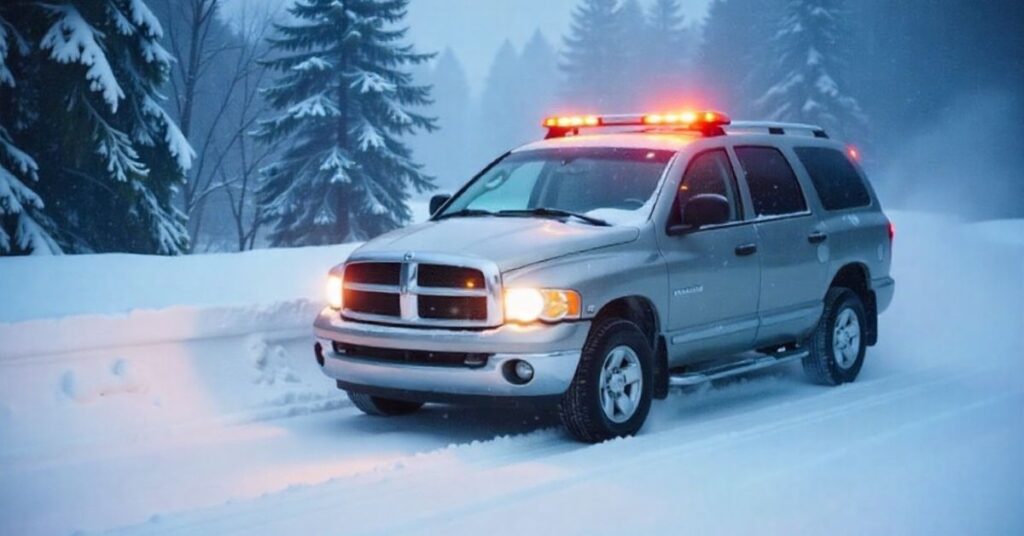
Use blankets and extra layers. Signal for help with a high-vis vest or hazard lights. Avoid overexertion when digging snow.
Final checks and habits
Make pre-winter checks part of your routine. A short monthly inspection saves time and risk later. Track replacement dates and keep receipts.
Practice gentle driving habits year-round. A calm approach to speed, steering and braking improves engine life and lowers breakdown risk.
Conclusion
Follow this guide and prepare your car before winter storms. Small checks and a packed kit give you better control and protect the engine during snow and sleet.
Drive calm, keep supplies, and maintain your car. These steps cut the chance of trouble and help you reach your destination safely.
Sources
Key safety details and checklists come from trusted winter driving guidance and the winter campaign titled “Snow Patrol” published by vehicle care experts and road safety authorities.
For full official winter driving recommendations, see national road safety pages and the referenced winter driving advice.
FAQs
1. How can I protect my engine during winter drives?
Check oil and coolant levels, and warm up the engine before driving to prevent damage.
2. What is the safest way to drive on snowy roads?
Drive slowly, avoid sudden brakes, and keep a safe distance from other vehicles.
3. Why does my car battery fail in cold weather?
Cold reduces battery power, so test it often and replace if it’s weak.
4. How often should I check my tire pressure in winter?
Check weekly, as cold air lowers tire pressure and affects grip.
5. What does the snow patrol 7 tips driving snow sleet guide include?
It covers engine care, tire checks, fuel safety, and driving tips for snowy conditions.
Noah Theo is the World Best Article Writter. Top Ranked Articles, Informative Articles, Unique Content Articles. All Articles are Written by Noah Theo..