

Introduction
Driving in low winter sun means dealing with bright sunlight that sits low in the sky during cold months. This glare can make it hard to see the road, traffic signs, and even other cars. It’s a common challenge that drivers face during winter mornings and evenings.
Many accidents happen because the sun glare blinds drivers for just a few seconds. Imagine driving straight into dazzling sunlight while trying to stay on the right path it’s risky and stressful. That’s why knowing the right driving tips can keep you safe and confident on the road.
In this guide, you’ll learn simple and effective tips for driving safely in the low winter sun. From using your car’s features correctly to preparing your windshield, these small steps can make a big difference in reducing glare and improving visibility.
Keep Your Car Windscreen and Mirrors Clean
A clean windscreen and mirrors are very important when driving in low winter sun. Dust, dirt, or streaks can make the sunlight glare worse and block your view. Even a small smudge can make it harder to see the road clearly.
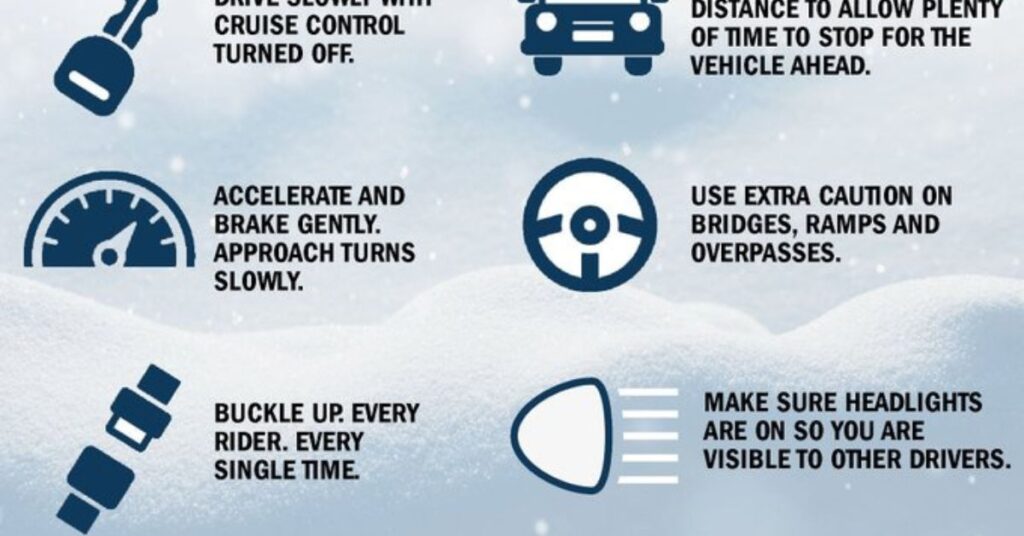
Make it a habit to clean your windscreen inside and out. Wipe your mirrors often to remove fog or dirt. Using a good glass cleaner helps keep everything clear and shiny. Clean surfaces mean better visibility and safer driving, especially when the sun is low.
Understanding Low Winter Sun Glare in Engine
Low winter sun glare doesn’t just affect your eyes it can also impact how you handle your car’s engine and performance. When sunlight hits directly, it can warm up certain parts of the engine bay or make it harder to check fluid levels properly due to glare.
Drivers may struggle to read engine gauges or spot warning lights clearly when sunlight reflects off the dashboard. That’s why it’s important to park safely, shade your dashboard if needed, and check your engine only when visibility is clear.
Benefits of Driving in Low Winter Sun in Engine Oil
Driving in low winter sun can actually help your engine oil warm up faster. When the sunlight hits your car, it slightly raises the temperature, allowing the oil to flow more easily through the engine. This helps reduce friction and supports smoother performance during cold mornings.
Good engine oil works best when it reaches the right temperature. The gentle warmth from the sun can help your engine oil maintain better consistency. This can lead to:
- Smoother engine start-ups
- Less strain on engine parts
- Better fuel efficiency
- Improved oil circulation
A little sunlight can make a small but helpful difference in keeping your engine running smoothly during winter.
Use Your Sun Visor Wisely in Engine Oil
Using your sun visor wisely helps protect your eyes from low winter sun glare while driving. Clear visibility means you can keep your focus on the road and monitor your engine gauges properly. When you can see clearly, you can check oil levels and warning lights without distraction.
A sun visor also prevents direct sunlight from heating up your dashboard and affecting your engine temperature readings. This helps keep your car’s interior cooler and makes engine checks more accurate. Below is a simple table showing how using a sun visor can help both your driving and engine care.
| Action | Benefit for Driver | Benefit for Engine/Engine Oil |
| Adjust sun visor properly | Reduces glare and eye strain | Makes dashboard readings clearer |
| Use side visor when turning | Keeps vision clear at corners | Helps spot oil warning lights easily |
| Keep visor clean | Prevents streaks and glare | Avoids light reflections on meters |
| Combine with sunglasses | Improves focus and safety | Lets you monitor oil temperature better |
| Avoid blocking full view | Keeps road visible | Prevents overheating due to poor airflow |
Using your sun visor the right way can make driving safer and help you take better care of your car’s engine and oil health.
What Is Driving in Winter Sun in Engine Oil
Driving in winter sun in engine oil means understanding how cold weather and bright sunlight affect your car’s engine and oil performance. During winter, the low sun can warm your car slightly, helping the engine oil reach the right temperature faster.

When engine oil is too cold, it becomes thick and doesn’t flow smoothly. The gentle heat from the winter sun helps it move better inside the engine. This allows your car to run more smoothly, use less fuel, and protect engine parts from damage.
How It Works: Low Winter Sun in Engine
Low winter sun works by giving a little natural warmth to your car when it’s cold outside. During winter mornings, the sunlight hits the car’s surface and slightly warms up the engine area. This helps the engine oil move more freely after a cold night.
When the oil becomes less thick, it can flow better through the engine parts. This makes it easier for the engine to start, reduces friction, and helps your car perform smoothly. So, even a little sunlight on a cold winter day can make a small but useful difference to your engine’s health.
Final Thoughts
Driving in low winter sun can be tricky, but with the right care and habits, it becomes much safer. Simple steps like keeping your windscreen clean, using your sun visor, and checking your engine oil can make a big difference. Staying alert and calm helps you handle glare and protect your car’s performance.
Remember, small actions lead to safer journeys. Always prepare before you drive in winter sunlight. Keep your car in good shape and take care of your eyes and engine.

- Clean your mirrors and glass often
- Use sun visors and sunglasses
- Warm up your engine properly
- Drive slowly and stay focused
A little preparation can make winter driving smooth and stress-free.
Conclusion
Driving in the low winter sun needs care and attention. The bright glare can make it hard to see, but a few smart habits can keep you safe. Clean your windscreen, use your visor, and check your engine oil regularly to keep everything running smoothly.
Winter driving is not just about handling the cold — it’s about being prepared. Stay calm, take your time, and protect both yourself and your car. Small actions every day can make your winter journeys safer and easier.
FAQs
1. Why is driving in low winter sun dangerous?
Because the low sunlight creates glare, making it hard to see the road, signs, and other vehicles clearly.
2. How can I reduce sun glare while driving?
Keep your windscreen clean, use your sun visor, and wear polarised sunglasses to cut down glare.
3. Does sunlight affect engine oil in winter?
Yes, a bit of sunlight can help warm the engine oil, making it flow better and protect the engine.
4. What should I check before driving in the winter sun?
Check your mirrors, windscreen, engine oil level, and make sure your lights are clean and working.
5. Can driving in the winter sun damage my engine?
No, but ignoring glare or skipping maintenance can cause stress on the engine over time.

Noah Theo is the World Best Article Writter. Top Ranked Articles, Informative Articles, Unique Content Articles. All Articles are Written by Noah Theo..