Introduction
An MOT (Ministry of Transport) test is a yearly check to make sure your car is safe and roadworthy. It looks at key parts like brakes, lights, tyres, and emissions. Every car over three years old in the UK must pass this test to stay legal on the road.
Many people fail their MOT for small, easy-to-fix issues. A blown bulb or worn tire can cause a failure. Preparing early saves time, money, and stress. It also gives you peace of mind knowing your car is safe to drive.
In this guide, you’ll find simple steps to get your car ready for the MOT test. From checking lights to topping up fluids, we’ll cover all the basics. Follow these easy tips, and you’ll boost your chances of passing on the first try.
What Is an MOT?
An MOT is a yearly safety test for your car. It stands for Ministry of Transport test and is required for vehicles that are over three years old. The test makes sure your car meets road safety and environmental standards. It checks important parts like the brakes, tyres, lights, and exhaust system to confirm everything is working properly.
The MOT isn’t just about following the law, it’s about keeping you and others safe. A car that passes its MOT is less likely to break down or cause accidents. It also helps protect the environment by making sure your vehicle’s emissions stay within safe limits. Passing your MOT means peace of mind every time you drive.
Why an MOT Test Matters
An MOT test is important because it helps keep you safe on the road. It checks if your car is working properly and meets safety standards. If something is wrong, you can fix it before it causes an accident or breakdown.
Regular MOT tests also protect other drivers and the environment. A well-maintained car runs smoothly and produces fewer harmful emissions. Passing your MOT means your car is safe, reliable, and ready for the road.
Benefits of MOT in Engine Oil
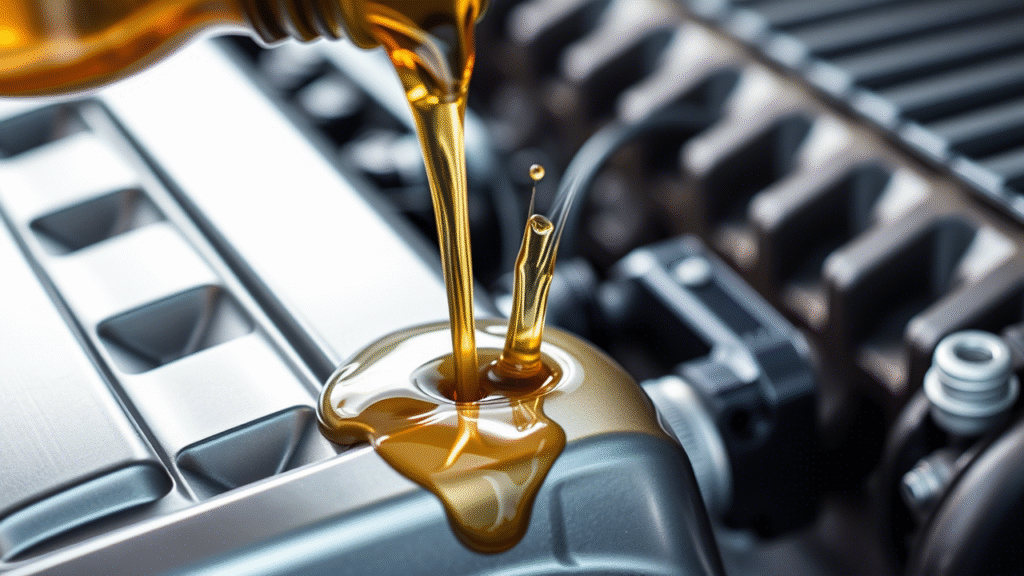
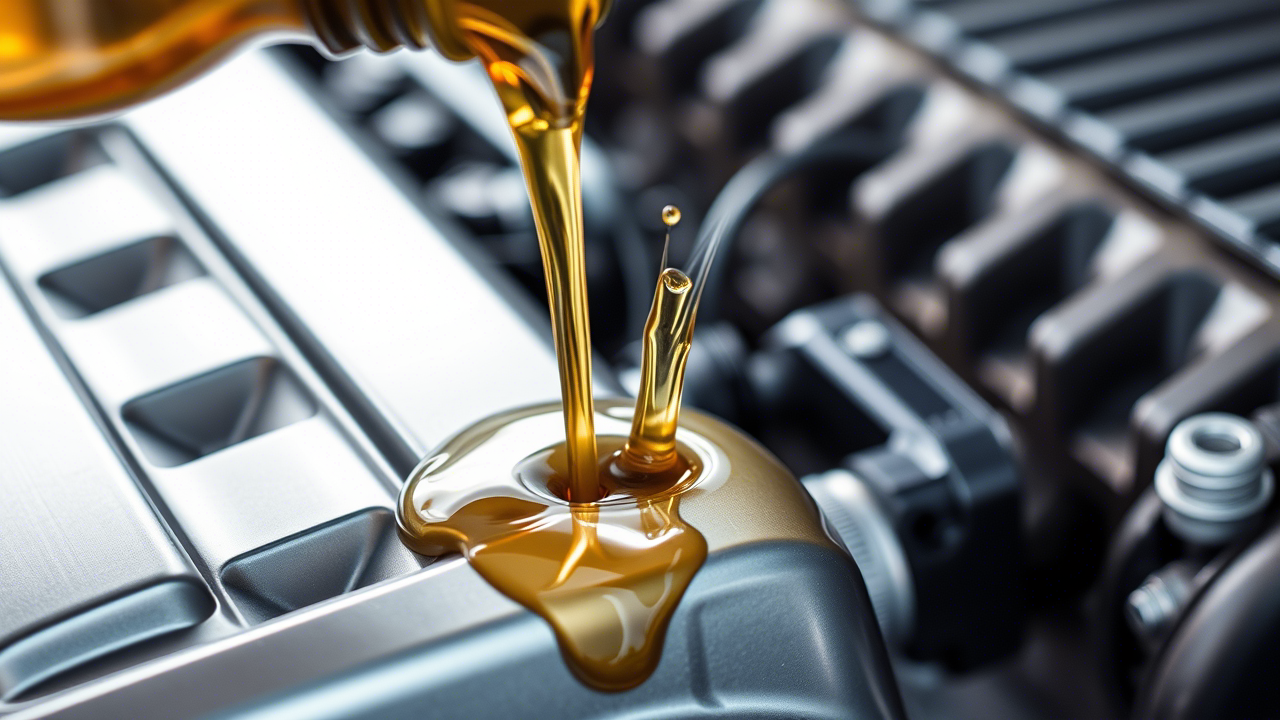
Getting an MOT helps you keep track of your car’s health, including the engine oil. During the test, the mechanic can spot if your oil level is low or if it’s dirty. Clean engine oil keeps your engine running smoothly and prevents damage from friction or heat.

Key benefits include:
- Better engine performance
- Longer engine life
- Smoother and quieter driving
- Reduced risk of costly repairs
Fresh engine oil helps protect all the moving parts in your car. It also improves fuel efficiency and reduces harmful emissions. Regular MOT checks make sure your oil is doing its job properly, keeping your car safe and reliable on every journey.
Key Advantages of Checking Engine Oil in MOT
Checking engine oil during your MOT is a simple way to keep your car in good shape. It helps you spot problems early, such as leaks, low oil levels, or dirty oil. Fresh and clean oil reduces friction, keeps the engine cool, and helps all parts work smoothly. Regular checks mean fewer breakdowns and better performance.
It also saves you money in the long run. Clean engine oil improves fuel efficiency and prevents costly engine damage. Mechanics often notice small issues during the MOT that can be fixed before they turn serious. This not only keeps your car safe but also makes it last longer.
| Advantage | Description | Benefit to Driver |
| Early Problem Detection | Finds oil leaks or dirt before damage occurs | Saves money on repairs |
| Better Engine Performance | Keeps engine parts running smoothly | Reduces friction and wear |
| Longer Engine Life | Regular oil checks prevent damage | Extends car lifespan |
| Improved Fuel Efficiency | Clean oil helps engine run efficiently | Saves fuel and costs |
| Fewer Breakdowns | Regular checks spot minor issues early | Ensures smooth, safe driving |
| Environmental Benefits | Fresh oil reduces harmful emissions | Keeps your car eco-friendly |
Interior MOT Checks
Interior MOT checks make sure everything inside your car works safely and properly. During the test, the mechanic checks your seatbelts, warning lights, horn, and dashboard controls. They also look at your mirrors, handbrake, and driver’s seat to confirm they are secure and in good condition.

These checks are important for your safety and comfort. A working seatbelt, clear dashboard, and secure seats help you drive safely and confidently. Making sure all interior parts function well can also help you pass your MOT without any trouble.
Exterior MOT Checks
Exterior MOT checks focus on the outside parts of your car that affect safety and visibility. The mechanic looks at your lights, mirrors, number plates, doors, and wipers. They also check the bodywork for sharp edges, rust, or damage that could be dangerous.
These checks make sure your car is safe for you and others on the road. Working lights and clean mirrors help you see clearly, while strong doors and wipers keep you protected in all weather. Taking care of your car’s exterior increases your chances of passing the MOT test easily.
Final Thoughts
Preparing for your MOT doesn’t have to be stressful. A little care and attention can make a big difference. Check your lights, tires, engine oil, and interior controls before the test. Small fixes done early can save you time and money later.
Quick reminders:
- Keep your engine oil clean and at the right level.
- Make sure all lights and wipers work properly.
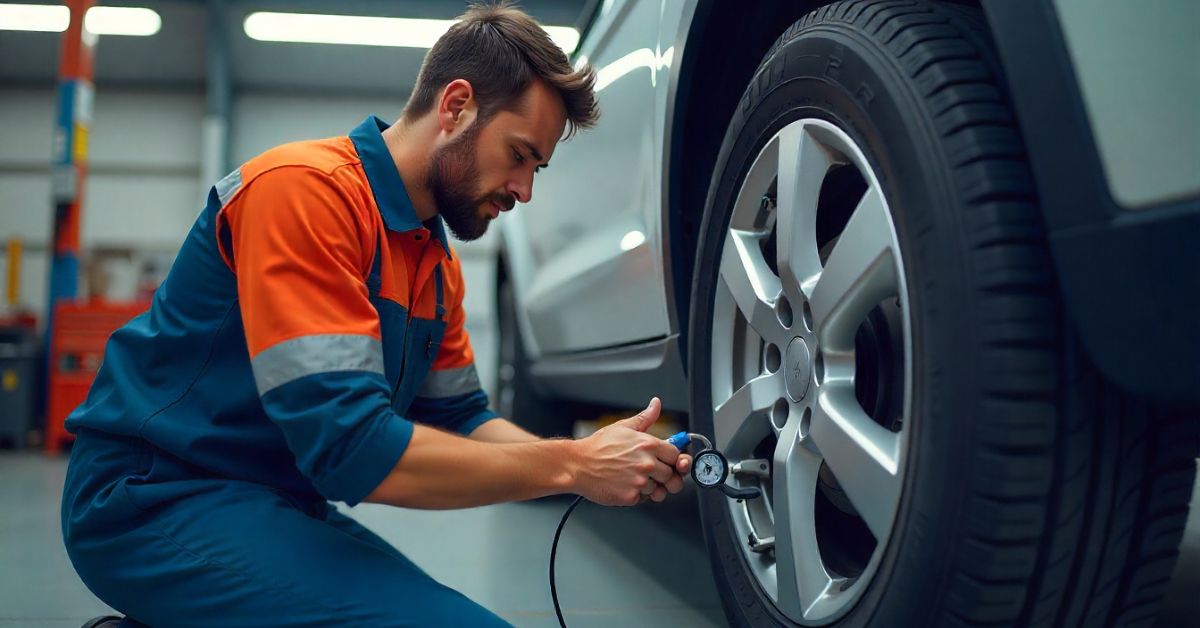
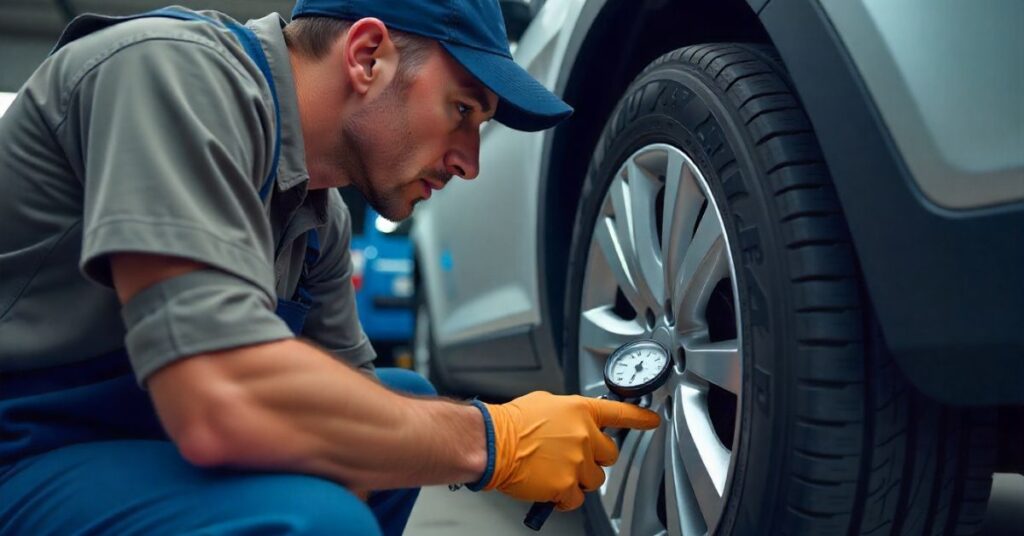
- Check tyre pressure and tread depth.
- Clean mirrors, windows, and number plates.
Staying prepared helps your car pass its MOT easily. It also keeps you safe and confident every time you drive. Regular checks are the best way to enjoy smooth and worry-free driving all year round.
Conclusion
An MOT test is not just about passing—it’s about keeping your car safe and reliable. Taking time to prepare helps you avoid simple mistakes that could lead to failure. When you check things like engine oil, lights, and tyres, you make sure your car is ready for the road.
A little effort goes a long way. Regular care and early maintenance save money and give you peace of mind. When your car runs smoothly, you can drive confidently knowing it’s safe for you and others.
FAQs
1. What is an MOT test?
An MOT test checks if your car meets road safety and environmental standards. It’s required every year for vehicles over three years old.
2. How can I prepare my car for an MOT?
Check your lights, tyres, wipers, and engine oil before the test. Fix any small issues early to avoid failing.
3. What happens if my car fails its MOT?
If your car fails, you’ll need to repair the problems and take a retest before driving it again.
4. How long does an MOT test take?
An MOT test usually takes about 45 minutes to an hour, depending on your car’s condition.
5. Can I drive my car without an MOT?
No, driving without a valid MOT is illegal and can lead to fines or points on your license.
Noah Theo is the World Best Article Writter. Top Ranked Articles, Informative Articles, Unique Content Articles. All Articles are Written by Noah Theo..